
Eight Minutes at the Rope
Dinner is still on the table when somebody checks the time. The group has a 12-minute walk from a South Kensington restaurant to a club with an 11:30 PM last-entry cut-off. They settle the bill, collect their coats and reach the pavement outside the venue at 11:28 PM.
They have arrived at the club. They have not completed entry.
The mandatory ID-scanning queue takes another 15 minutes to clear, so the group misses the stated cut-off and is denied admission. One guest holds every ticket on a single phone. The table reservation names only part of the party. Nobody has asked whether a later cigarette break will allow them back inside.
That short scene captures the part of south kensington nightlife that catches otherwise organised groups: several door rules operate at once. Last entry controls timing. Re-entry governs what happens after admission. Queue priority affects how arrivals are processed. Capacity can pause the entire sequence.
The Pavement Trap
Joining a queue before the deadline may still be too late. Read the exact entry wording and allow time for every check between the kerb and the main room.
Resolve those four points before leaving dinner, brunch or cocktails & bars nearby. A booking confirmation can answer one question while leaving the other three completely open.
Four Rules, One Door
At a busy entrance, door staff may separate table reservations from advance-ticket holders, guest-list parties and walk-ins. Processing follows live capacity flow as well as the order in which people arrive. A table group may move to one host while general admission waits for an ID scanner.
The basic terms sound similar, but they control different moments of the night.
Last Entry
Last entry is the latest point at which an eligible guest must begin or complete admission, depending on the event terms. “Arrive by 11:30 PM” and “entry before 11:30 PM” can produce different outcomes when a queue forms.
Re-Entry
Re-entry is permission to leave after admission and return later. A stamp or wristband records a status chosen by the venue; its presence alone does not establish a right to come back through the door.
Queue Priority
Queue priority determines the lane, order or desk used to process a booking. Admission still depends on valid identification, ticket conditions, security checks and space in the relevant area.
Capacity
Capacity is a live operational limit. A club can pause one category of admission while continuing to process another, especially when separate rooms or table areas fill at different rates.
Some venues develop peak queues roughly 15 to 25 minutes after the official door-opening time. An early arrival can therefore feel unusually quick, while the same ticket takes longer to process later.
What Last Entry Actually Means
The smallest words in an event listing often carry the most weight. Guests may see instructions to arrive before a stated time, gain entry before that time or use a ticket only within a defined window. The applicable phrase should shape the departure plan.
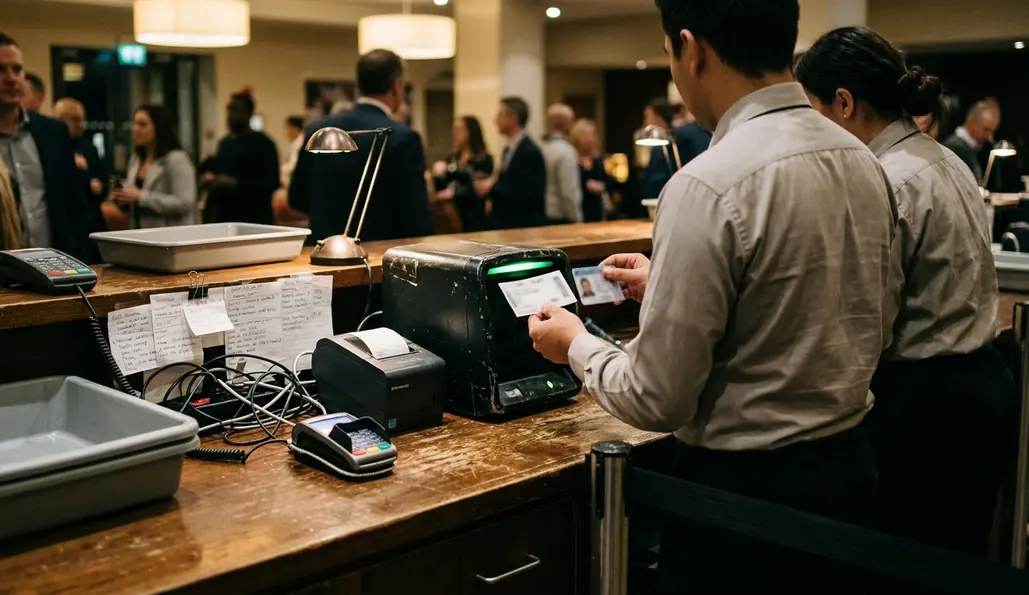
Standing on the pavement near the deadline leaves several steps unresolved: security screening, original photo ID checks where required, bag searches, ticket scanning and questions about payment or booking names. Each stage can hold a group at the entrance.
A lead booker with an 11:00 PM strict table-claim deadline can work backwards. They first add a 20-minute queue and security buffer, then allow for the walk and the time needed to leave the restaurant. The initial idea of finishing sushi & dining shortly before 11:00 PM quickly becomes unworkable.
Separate Bookings, Separate Clocks
Advance tickets, free guest lists, birthday groups and reserved tables may carry different deadlines at the same event. A friend’s general-admission ticket does not necessarily inherit the table’s arrival condition. Equally, a table confirmation may require the named lead guest or a minimum portion of the party to be present.
Compare each written condition without assuming which category receives the latest window. Then plan around the earliest binding deadline for anyone whose presence affects the booking.
Build Backwards
Start with the table or ticket cut-off, add the stated or sensible queue allowance, then add travel and restaurant exit time. The resulting departure time matters more than the estimated moment of reaching the street.
Stepping Out Can End the Night
A guest leaves to take a call. Another goes outside to meet a late friend. Someone remembers an item in a car, while the rest of the table stays inside. Every one of those ordinary decisions can trigger the venue’s re-entry policy.
Common arrangements include no re-entry, return only before a cut-off, or return after a fresh security check when capacity permits. Some designated smoking areas operate differently from the public pavement, so guests should ask where they may stand before crossing any barrier.
In one policy shape, security manages a 15-minute grace period for smoking-area rotations. Staff assess the number of stamped guests waiting outside against current indoor capacity. If the venue reaches its strict fire-safety capacity while somebody is out, that person’s re-entry stamp loses validity.
This is why a wristband cannot settle the question by itself. Neither can property left in the cloakroom, a stamp on the hand or friends remaining at the table. The door team needs to confirm the actual arrangement for that event and that exit point.
Ask Before Crossing
The useful question is specific: “If I leave through this exit now, can I return with this stamp, and is there a time limit?” Asking after stepping onto the pavement gives staff fewer options.
Groups moving between dinner, shisha lounges and the club should treat each venue as a separate admission. A tab, booking or personal item at one location does not preserve access to another.
Priority Is Not a Door Guarantee
A London club may operate lanes for table reservations, advance tickets, guest lists, walk-ins and pre-arranged accessibility entry. Their order can change from one event to the next, and even during the same night.
Priority can change where guests queue, when a booking is checked and which host directs the group. It can spare a table party from standing in a general-admission line. It may also place accessibility arrangements with a designated member of staff rather than the busiest scanner.
Priority alone cannot override invalid identification, a missed entry window, a booking-name discrepancy, event conditions, a security decision or an unavailable area. The booking still has to match the people presenting it.
Handling a Split Arrival
A lead booker expecting one guest later should speak to the door host before entering the main room. They can verify the remaining party size, confirm whether everybody must arrive together and leave the booking confirmation at the desk if the venue accepts that arrangement.
ID scanning and bag searches can take about three to five minutes per group. A late guest therefore needs their own buffer, even when the host already knows their name.
Keep One Record
Store the current booking confirmation, lead-booker name and table contact on a phone that will remain available at the entrance. Screenshots help when reception is weak, provided the venue accepts them and the details remain legible.
When Capacity Changes the Queue
A stationary queue does not always mean the whole club has closed its doors for the night. Management may pause admissions when a particular room reaches its legal limit, when an entrance corridor becomes congested or while staff rebalance tables, tickets and walk-ins.
Door teams can monitor a one-in, one-out clicker count and stop admitting guests the moment an internal area fills. At peak exit times between 1:30 AM and 2:00 AM, that can create holding patterns lasting around 10 to 15 minutes while people collect coats and leave.
The distinction between delay and refusal matters. A delayed guest remains in a managed queue while staff wait for space or complete checks. A refused guest has received a door decision and should listen carefully to the reason given.
What to Ask During a Hold
Stay calm and ask whether the ticket, guest-list place or table remains valid while the queue is paused. If a deadline is approaching, ask the host to confirm whether guests already waiting in the assigned lane are being recorded.
Repeatedly changing lanes can make matters worse. The table host may be tracking one queue while the ticket scanner handles another, and moving away can separate a guest from the booking process already under way.
Build the Dinner-to-Club Plan
Take a typical South Kensington evening: dinner has a flexible finish, the table reservation has its own arrival condition, one friend will join separately and the event listing carries a last-entry rule. The group needs one timeline rather than four private assumptions.
- Compare every deadline. Check the event ticket, table confirmation and guest-list message side by side.
- Use the earliest binding time. If the table must be claimed before the general last-entry cut-off, build the evening around the table condition.
- Confirm the arrival format. Ask whether the full group must arrive together and how a late guest will be handled.
- Check the booking identity. Make sure the named lead guest will attend and can show the confirmation requested at the door.
- Resolve re-entry. Establish the smoking-area and exit rules before anyone leaves the venue.
A phone alarm set 45 minutes before the earliest binding entry condition creates a clear point to request the bill, check the route and gather the party. It also prevents another round of cocktails from quietly consuming the queue buffer.
Pre-Departure Check
- Original photo identification where the event requires it
- Current ticket or booking confirmation
- Correct lead-booker name and contact details
- Confirmed party size, including separate arrivals
- Required entry lane or ticket tier
- Table contact or door-host instructions
- Clear answer on re-entry and any cut-off
Before paying the dinner bill, set the 45-minute alarm and have every guest place their ID and entry confirmation on the table for one final check.











Add Your Thoughts