
South Kensington dictates a very specific evening rhythm. According to local guides, the area's major museums typically clear out between 17:30 and 18:00. This mass exit creates a distinct window of roughly an hour to ninety minutes before prime evening reservations begin. Event planners structure the evening by anchoring their timeline to this transition period between daytime cultural activities and late-night venue openings. The challenge is bridging that gap without ruining the night ahead.
I evaluate the intersection of culinary precision and atmospheric design for a living. When clients ask how to transition a mixed-age social group from an afternoon exhibition to a late-night lounge, I point them toward Japanese small plates. This guide outlines the pairing formats and planning decisions required to navigate South Kensington after dark. It is not a definitive list of venues. It is a blueprint for keeping your group's energy high from the first bite to the final cocktail.
Why Sushi Suits Social Dining
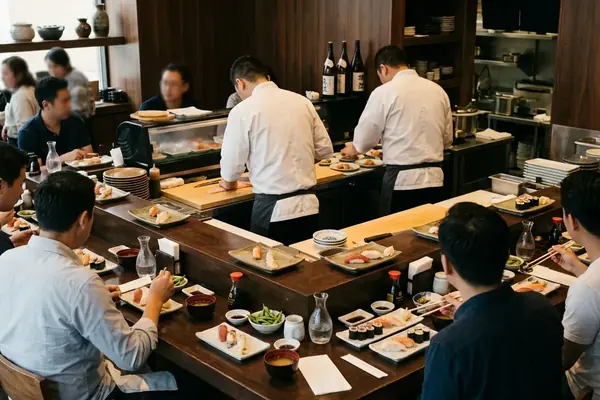
People often default to a standard three-course meal before a night out. That structure locks you into a heavy commitment early in the evening. A better alternative is building the meal incrementally. Sushi and Japanese small plates offer clean flavours and shareable formats that scale effortlessly from a quick pre-event snack to a full dinner.
Diners build the meal step by step. You assess the group's hunger levels after the first round of cold plates before committing to heavier, hot kitchen items. Standard maki rolls are typically portioned into about 6 to 8 pieces, allowing a group of four to sample multiple flavour profiles without over-ordering. This modular approach reduces dining anxiety. Guests can add tempura, gyoza, or edamame without feeling forced into a heavy main course.
Pairing Routes by Plan
You must map the menu to the evening's trajectory. I have watched groups order heavy tempura and rich mayonnaise-topped rolls before a club night, resulting in lethargy and an early exit. If your night ends on a dancefloor, prioritise high-protein, low-carbohydrate orders. Sashimi, citrus-led rolls, and clean small plates leave plenty of room for the hours ahead.
Live music and theatre plans require a completely different approach. For live events with doors opening around 18:45, seating should be secured by roughly 17:15. This allows a comfortable dining window of about 75 minutes before walking to the venue. Planners initially considered booking rigid, two-hour omakase seatings for these nights, but those formats rarely align with strict ticketed schedules. Agility is your best asset here.
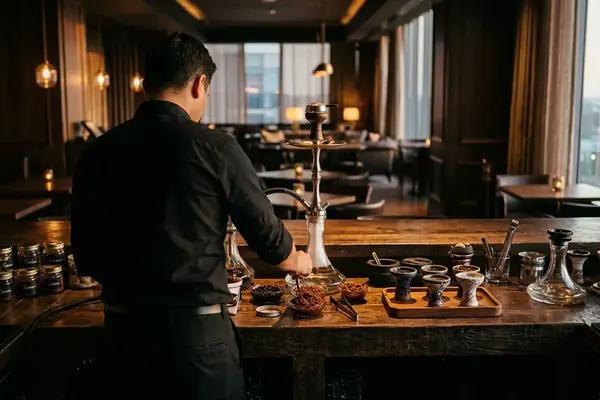
If your destination is a shisha lounge, the strategy flips again. You need fuller savoury plates before the lounge. Grilled skewers, rice bowls, and richer maki ensure the evening has enough substance to balance the later hours.
How to Order for a Table
The difference in ordering strategy between a 17:30 pre-theatre seating and a 20:30 lounge-preamble dinner comes down to pacing. At 17:30, you prioritise speed and cold plates. At 20:30, you allow for slower, hot-kitchen pacing. The host should sequence the order deliberately.
Start with immediate-arrival items like edamame to occupy the table. Follow this with delicate raw fish. Finally, bring in hearty, glazed robata skewers to prevent palate fatigue. While this sequencing works for most casual dining scenarios, high-volume weekend services occasionally require faster upfront ordering to secure kitchen time.
Pro Tip: A baseline ordering strategy involves around 2 to 3 small plates per person initially, followed by a short pause of fifteen to twenty minutes before evaluating the need for additional hot dishes.
Pacing the order accommodates mixed preferences seamlessly. Raw fish lovers get their sashimi early, while vegetarian diners and seafood avoiders can anticipate the hot plates. Never order the entire menu at once if the night continues elsewhere.
Drink Pairings Without Palate Fatigue

Beverage selection changes the entire feel of the meal. In my review of local dining habits, I notice guests frequently overwhelm delicate sushi with heavily smoky or sweet drinks too early. Beverage selection must be calibrated to the fattiness of the fish.
Starting with lighter highballs or spritzes maintains palate sensitivity better than immediately introducing spirit-forward cocktails. High-acid, effervescent drinks cut beautifully through rich salmon or tuna belly. Once you transition to robata grills or spicy tuna, you can introduce more complex spirits. Sake offers incredible texture, while dry Champagne provides the necessary freshness for fried tempura.
Timing the Dinner-to-Nightlife Handoff
The transition between venues often kills a group's momentum. The table coordinator must manage the exit strategy proactively. Requesting the bill around 20 to 25 minutes before the planned departure time provides an adequate buffer for splitting payments and retrieving coats.
You want to eliminate the dead time that drains energy. Request the final bill concurrently with the last round of drinks or dessert. The table mood should shift naturally from settled dining to a clean exit. A good pre-nightlife sushi dinner spans roughly 90 to 110 minutes, providing enough time for relaxed conversation without causing the evening to stall.
Group Etiquette, Budgets and Comfort
Small-plate dining requires social coordination. Groups should establish the payment structure before the first order is placed. Decide whether you will pool the cost of shared platters or track individual premium selections. This simple conversation prevents end-of-night friction when the bill arrives.
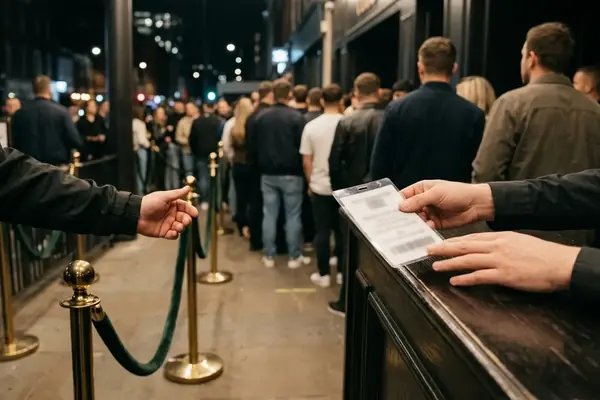
Dress codes also require foresight. Many nearby lounges and clubs enforce strict smart-casual dress codes that take effect around 22:00. Your dinner attire must seamlessly transition into the late-night venues. Choose an outfit that works just as well over a plate of nigiri as it does at a VIP table.
Scope, Allergies and Venue Limits
This framework is a useful planning tool, but it cannot override individual restaurant policies. Late-night dining venues typically call for last orders between roughly 21:45 and 22:15, even if the dining room remains open until midnight. Always check current menus and reservation rules directly with the venue.
Warning: One catch: relying on shared sushi platters is fundamentally incompatible with groups containing severe soy or sesame allergies, as the ambient cross-contact risk in high-volume prep areas cannot be fully mitigated.
Diners must proactively verify kitchen protocols by contacting the venue directly during off-peak afternoon hours to discuss severe dietary restrictions. For detailed safety standards, review the Food Standards Agency guidance on food allergy and intolerance. Do not leave allergy conversations until you are seated at the table.
Key Takeaway: Planners finalise the evening's blueprint by ensuring the dining duration aligns with the energy requirements of the subsequent venue, prioritising agility over a prolonged, heavy meal.
Add Your Thoughts