
Why Your Sushi Order Matters Before Going Out
South Kensington demands a specific rhythm. You might plan dinner at eight, cocktails at ten, and perhaps a members' lounge or live event to follow. The transition between these venues dictates how you should eat. Nightlife planners evaluate the transition time between dinner and the first venue to determine the ideal meal weight, positioning sushi as a smart choice for its modularity.
You are looking at roughly 90 to 120 minutes for a standard pre-night-out dining window. That is enough time to enjoy a proper meal without feeling rushed, but it also presents a trap. Eat too heavy, and you will want to go home. Eat too light, and you will be hunting for a late-night kebab by midnight.
Sushi solves this problem beautifully. It is inherently shareable, easy to pace, and offers a clean flavor profile. This guide outlines exactly what to order, what to moderate, and how to navigate a menu so you leave the restaurant feeling energized rather than weighed down.
The Pre-Night-Out Plate Principle
The most common mistake I see diners make is front-loading their order. They sit down, feel ravenous, and immediately request three starters, four complex rolls, and a platter of fried dishes. By the time the food arrives, the table is overwhelmed.
A better alternative is ordering in stages. Diners assess the group's hunger after the first round of plates rather than front-loading the order, ensuring the meal anchors the evening without causing lethargy. This approach works because it gives your body time to register satisfaction.
You want a balance of protein, a moderate amount of rice or noodles, vegetables, and hydrating broth. Overly rich, sauce-heavy plates might taste fantastic in the moment, but they sit heavily in the stomach when you are trying to navigate a crowded bar two hours later.
Pro Tip: Treat the menu like a tasting flight. Order your soup and a light starter first. Once those are cleared, select your main sushi plates. You can always add another roll later if the group is still hungry.
Starters That Set the Tone
I always pay close attention to how a table begins their meal. Selecting warm broths over heavy fried starters hinges on warming the palate and slowing the dining pace without adding heavy oils before a long night of drinking. It is a reliable method for pacing the evening.
Allow around 15 to 20 minutes for the initial starter and broth phase to settle before heavier plates arrive. This window is crucial. A bowl of miso soup, some lightly salted edamame, or a crisp seaweed salad prepares your stomach for the raw fish to come.
This does not mean you have to banish gyoza, karaage, or tempura entirely. If you want something crispy or spicy, order one portion for the table to share. A single bite of tempura provides that satisfying crunch without dominating your appetite.
Nigiri, Sashimi, and Rolls to Prioritise
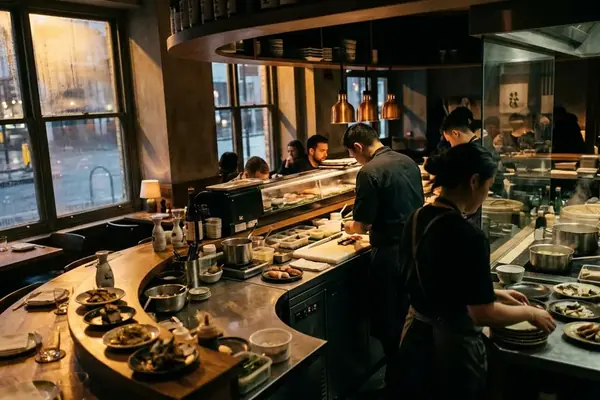
When the main event arrives, simplicity is your best asset. Initially, a group might lean toward large, elaborate dragon rolls for sharing, but this approach is usually rejected in favor of nigiri and simple maki to avoid heavy mayonnaise and eel sauce that can overwhelm the palate.
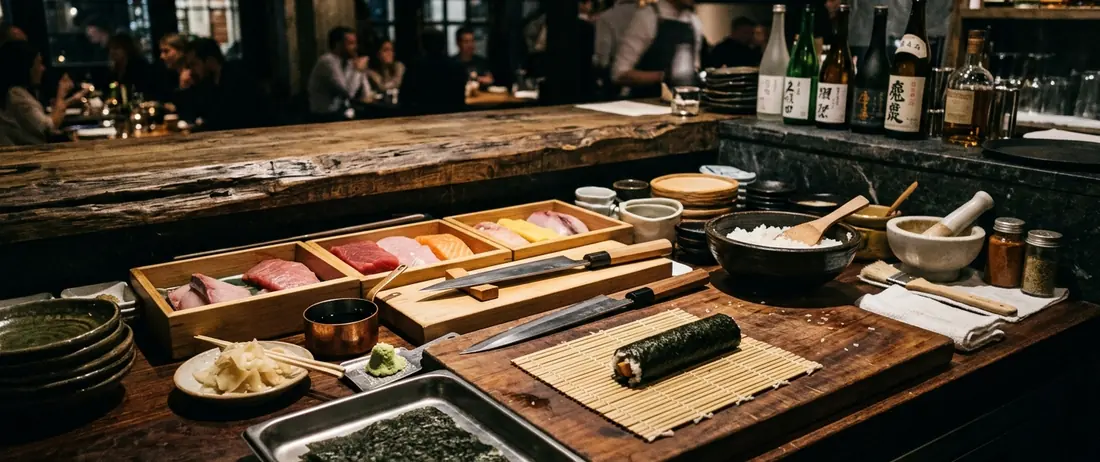
Nigiri represents the optimal balance of fish and rice. It offers built-in portion control and showcases the quality of the seafood without masking it in spicy mayo. As a baseline for a balanced solo order, look at about 3 to 4 pieces of nigiri and a 6-piece simple maki roll per person.
Sashimi is excellent for those wanting a lighter plate, but it requires careful pairing. Eating only raw fish can leave the meal feeling too sparse. Pair your sashimi with a side of rice, a warm broth, or a clean cucumber and avocado roll. Stick to classic maki featuring tuna, salmon, or yellowtail.
Drinks, Water, and Pacing
Hydration dictates your stamina for the rest of the night. The strategy involves alternating water with sake or cocktails during the meal to ensure stamina for the subsequent venues. Green tea is an excellent companion to sushi, cleansing the palate between bites while providing a gentle caffeine lift.
If you are drinking alcohol, establish a baseline of roughly 250ml of water per alcoholic beverage. This simple metric keeps you hydrated without requiring complex math at the table. You can certainly enjoy a highball, a glass of champagne, or premium sake, but keep the broader evening in mind.
For those planning to visit multiple cocktail bars later, consider keeping your restaurant drinks low-key. Following NHS advice on reducing alcohol-related risk by pacing your intake early in the evening pays dividends when midnight rolls around.
What to Avoid Before Bars and Clubs
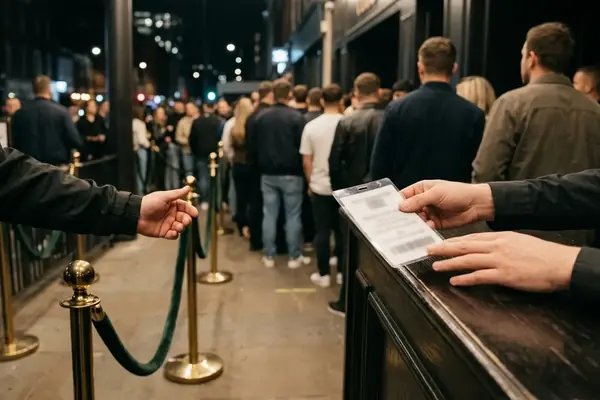
Nightlife veterans actively filter out high-sodium soy sauce dips and deep-fried tempura platters to prevent excessive thirst and lethargy later in the club or lounge. The issue is not that these foods lack quality. The issue is how they make you feel when you are standing in a crowded room.
Ordering heavy tempura platters before a high-energy club night resulting in lethargy is a classic rookie error. The same applies to oversized tasting menus that lock you at the table for three hours, leaving you too full to move comfortably.
Consider the social practicalities as well. Very spicy rolls can trigger unwanted perspiration. Heavy garlic or onion garnishes linger on the breath. Sticky, sauce-drenched rolls are messy to eat and can easily ruin a carefully chosen outfit. Keep your order neat, fresh, and manageable.
Warning: Be cautious with the soy sauce dispenser. Drowning your rice in soy sauce spikes your sodium intake, guaranteeing you will feel bloated and desperately thirsty by the time you reach your second venue.
Order by the Night You Have Planned
Your itinerary should dictate your menu choices. Adjusting the ratio of rice to sashimi based on whether the next venue is a seated lounge or a standing event is a highly effective tactic.
If you are heading to a pre-theatre show or a live gig, you need efficiency. Expect about 45 to 60 minutes for a quick pre-theatre sushi stop. Focus on simple maki and a few pieces of nigiri. It is fast, clean, and gets you out the door.
For a relaxed dinner before a late club night, you have around 2 to 2.5 hours to play with. You can order in multiple stages, enjoy a broader variety of fish, and take your time with a bottle of sake. However, there is one catch: relying on a very light sashimi order before a high-energy club night extending past 2:00 AM often leads to premature fatigue, requiring an unplanned late-night food stop. In this scenario, ensure you include some complex carbohydrates like a modest portion of soba noodles or extra rice.
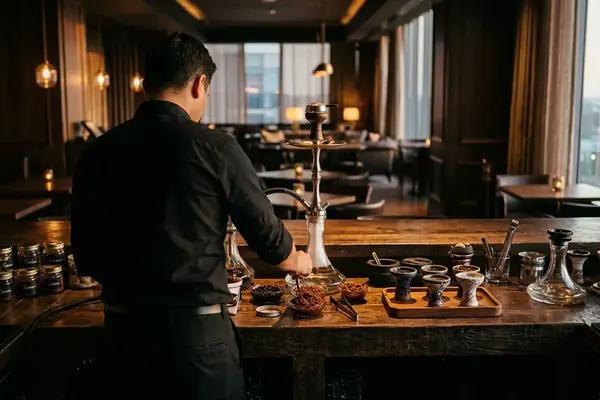
If your next stop is a relaxed shisha lounge, you can afford to eat a slightly heavier meal, as you will be seated for the next few hours. The choice between a light sashimi platter and a more substantial noodle dish is entirely dictated by your next destination.
Scope, Limits, and Final Takeaways
The editorial team structured these recommendations strictly around nightlife stamina and comfort, deliberately excluding medical or dietary mandates. This keeps our focus entirely on the practicalities of a London night out.
If you have specific allergies, intolerances, pregnancy considerations, or strict dietary requirements, you must communicate directly with the restaurant staff. They are equipped to guide you safely through their specific menu ingredients.
Key Takeaway: The ideal pre-night-out sushi order relies on balance. Start with a warm broth or light salad, prioritize nigiri and simple maki over complex, sauce-heavy rolls, manage your hydration meticulously, and tailor the volume of food to the energy level of your next destination.


Add Your Thoughts