
Why Sushi Fits the London Evening
I spend a lot of time looking at how people move from dining rooms to dance floors. The transition friction between a restaurant and a club often dictates the success of the entire night. Sushi has moved from a passing dining trend to a highly practical pre-night-out choice.
London nightlife is increasingly planned around lighter, better-paced dinners before heading to cocktails, live events, or late lounges. South Kensington provides a perfect backdrop for this shift. The area mixes cultural venues, polished restaurants, and hotel bars with a diverse crowd of locals, visitors, and students. Choosing a menu that minimizes the physical lethargy associated with traditional heavy dinners keeps the evening's momentum alive.
The Appeal of Lighter Pre-Club Dining
Diners often default to rich, multi-course meals before a night out, only to feel weighed down by 10 PM. Structuring your meal pacing around lighter Japanese dishes offers a much better alternative. It feels satisfying without the heaviness.
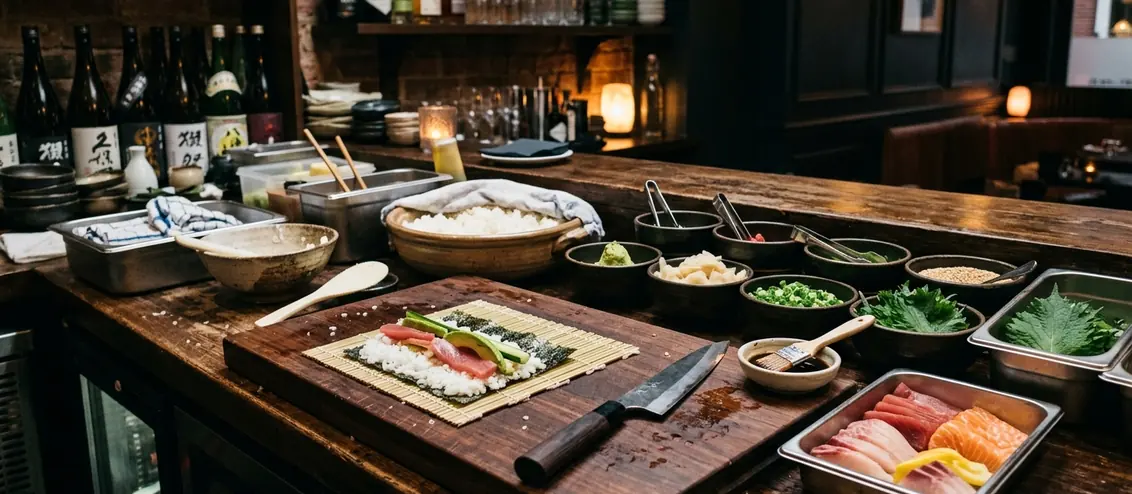
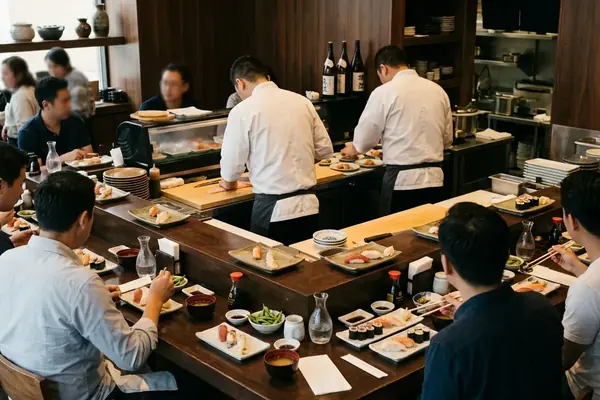
You can prioritize cold, raw dishes like sashimi and hand rolls during the first half of the seating. This approach deliberately delays or minimizes heavy tempura and robata-style dishes to maintain energy levels for the hours ahead. Rice, fresh fish, vegetables, and miso soup create a dinner that you can pace gradually—allowing you to adjust the meal to your exact plans.
Sharing Plates Suit Group Nights
Group dinners are notoriously difficult to coordinate. Sushi supports the social rhythm of a night out beautifully. Instead of committing to separate heavy mains, groups can order gradually.
Organizers manage unpredictable group dynamics by establishing a baseline order of shared maki and edamame immediately upon seating. This creates a natural buffer of roughly 15 to 20 minutes for staggered group arrivals. Latecomers can seamlessly add gyoza, bao-style sides, or robata skewers without resetting the entire table's timeline. This flexibility matters immensely for mixed groups navigating different appetites, dietary preferences, and budgets.
Pro Tip: Order a mix of nigiri selections and shared starters the moment you sit down to anchor the table while waiting for the rest of your party.
Cocktails, Sake and the Pace of the Night
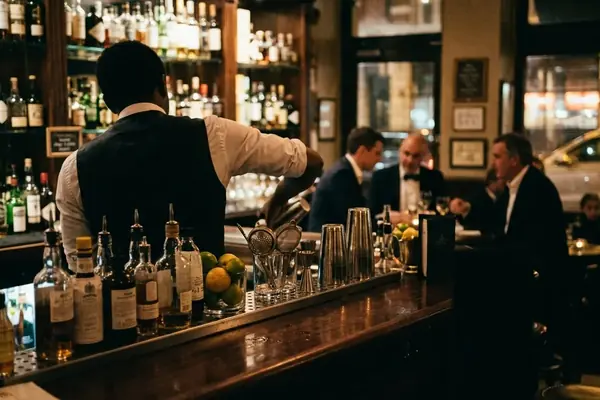
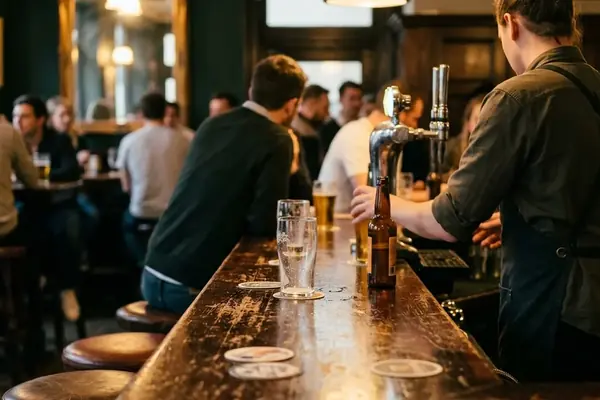
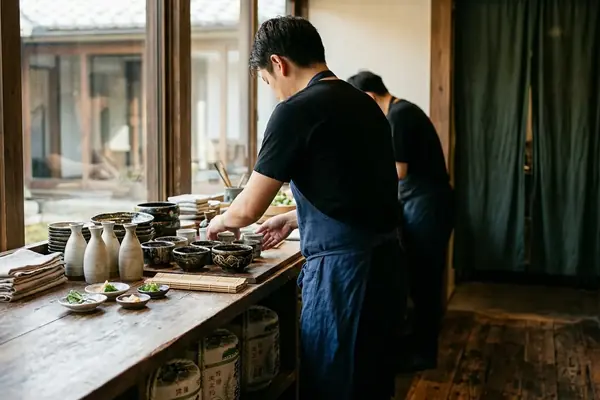
Drinks should act as part of the pacing, not a fast track to excess. Sushi venues often bridge dinner and nightlife through sake, Japanese whisky highballs, martinis, spritzes, or low-intervention wine lists.
Beverage selection is calibrated by matching the volume and intensity of Japanese highballs or low-intervention wines to the intended duration of the dinner. This ensures guests do not peak too early in the evening. One well-timed drink with food suits a polished pre-bar experience far better than rushing straight to a crowded venue. When planning these transitions, I always keep responsible nightlife guidance in mind. Staying within the UK Chief Medical Officers’ low-risk drinking guidance of 14 units per week helps maintain the stamina needed for a long London night.
Why South Kensington Makes Sense
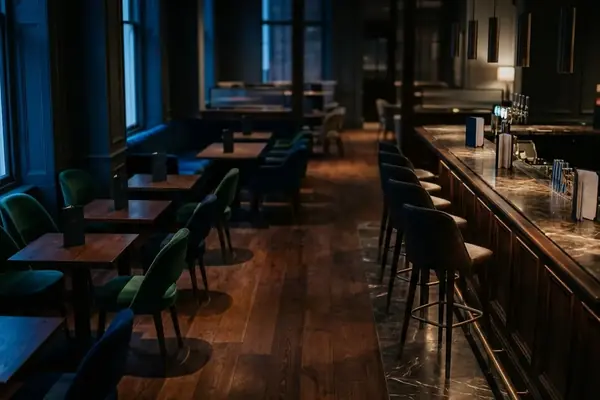
South Kensington grounds this entire concept in real evening use cases. The neighbourhood seamlessly connects museum late openings, hotel bars, date nights, and student meetups.
For years now, local concierges have mapped out evening itineraries by evaluating the walking routes from dining rooms to late-night lounges. They ensure the transition does not require complex transport arrangements that could kill the mood. Sushi fits the area’s refined day-to-night character perfectly. It is polished enough for visitors and efficient enough before a live event. Venues here frequently offer late seating windows after 21:30, making them highly adaptable for locals planning a longer evening across west and central London.
How to Choose the Right Table
Selecting a venue requires a practical decision framework. Timing is your first consideration. An early dinner suits relaxed plans, while a later seating provides a direct transition into bars or clubs.
When selecting a venue for a pre-club dinner, planners initially considered mandating omakase or rigid tasting menus to strictly control timing. That approach was rejected because it restricts the spontaneity required for nightlife. Over time it became clear that choosing between omakase and a la carte based on the predictability of the group's onward nightlife schedule yields much better results.
You also need to watch the logistics. Expect table return times of around 90 to 120 minutes across most popular spots. Venues will also typically require pre-authorization deposits for groups of 6 or more. Look for menus with enough small plates for groups, lighter options for those avoiding heavy meals, and a few cooked dishes for guests who skip raw fish.
Where Sushi Is Not the Best Fit
Sushi is not the optimal choice for every night out. Looking at booking patterns, event coordinators assess group profiles to determine when to pivot away from Japanese dining. They specifically identify when a party's size exceeds the capacity for effective sharing.
Diners wanting a long banquet-style meal or guests with seafood concerns will need another format. There is one major catch to watch out for. Relying on erratic a la carte ordering by large groups leading to budget overruns is a common pitfall. If a highly intoxicated group orders freely without a plan, high-end sushi becomes expensive very quickly, and service pacing becomes disjointed.
Warning: Large parties without a designated order coordinator often end up with duplicated dishes and unexpectedly high bills.
The Takeaway for London Nights
Sushi has become a proven pre-night-out choice because it combines lightness, flexibility, polish, and social pacing. South Kensington stands out as a refined evening district where dinner must connect smoothly with drinks, events, or late plans.
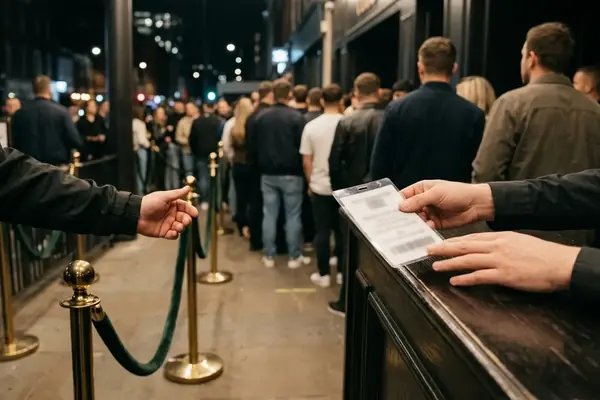
The secret to a flawless transition lies in the timing. The evening's itinerary is finalized by aligning the dinner reservation's end time directly with the next venue's peak entry window. This maintains social momentum without dead time. Choose your venue based on group size, menu range, the drinks programme, and the atmosphere you need for your next stop.

Add Your Thoughts