
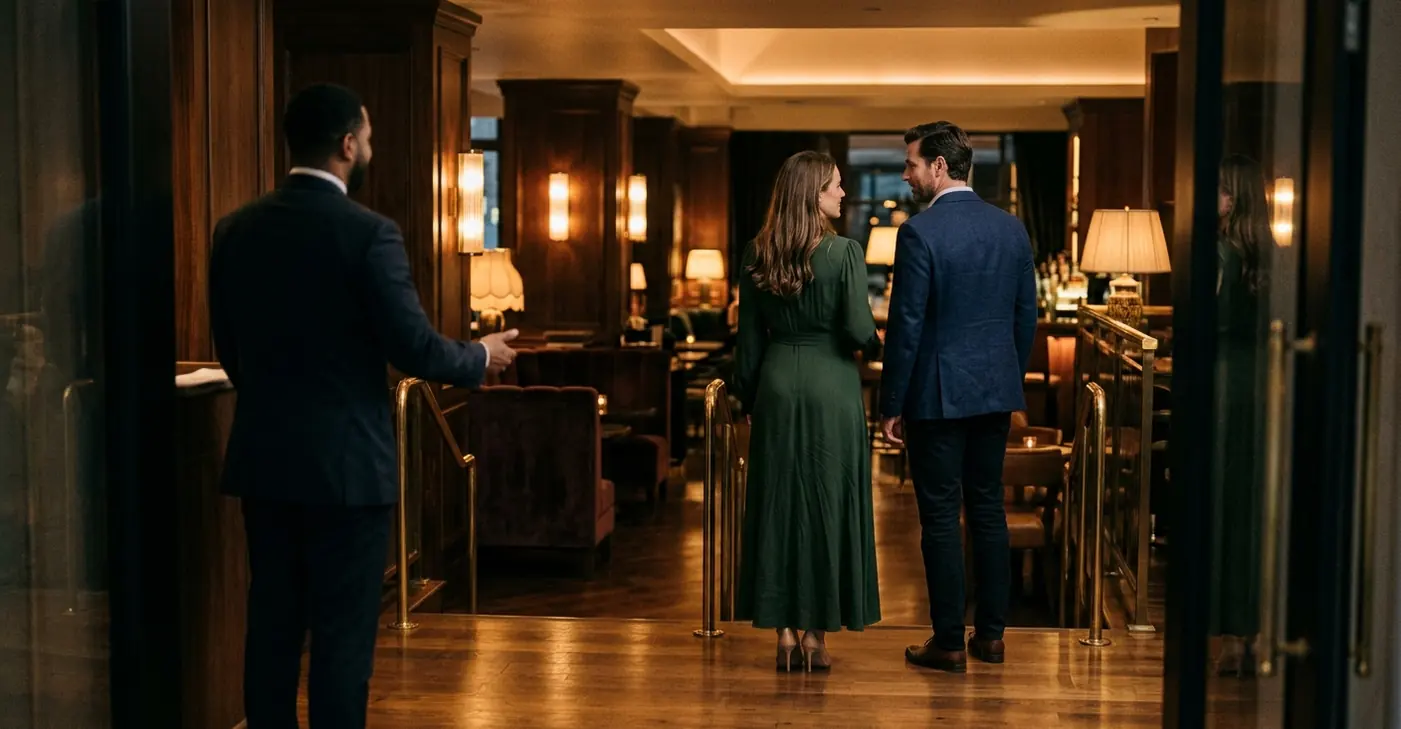
The First Venue Sets the Evening
The first booking does more than fill the first hour. It sets the tempo, the noise level, the social shape of the group and the amount of control you have once the night starts moving.
A cocktail bar and a nightclub create very different first impressions. One gives you glassware, pacing, seating and room to read the group. The other puts the night straight into sound, lighting, door policy and event timing. Neither is automatically the better start; the wrong choice usually comes from treating every Friday or Saturday plan as if the group wanted the same thing.
South Kensington makes that decision more interesting because the area rarely operates as a single-purpose night out. Dinner can turn into martinis. A museum-adjacent date can drift toward a hotel bar. Shisha lounges, late bars and onward club plans often overlap within the same evening. In practice, the transition from dinner to late-night venues typically sits somewhere around 21:30 to 22:45, which is exactly when small planning errors start to show.
Start with the baseline
When I build a night plan, I first ask whether the group needs a gradual social warm-up or immediate immersion. That question sounds simple, but it decides almost everything: arrival windows, drink pacing, route choice, spend exposure and whether latecomers become a nuisance or just part of the flow.
Read the Room Before You Book
The common mistake is to start with the venue list. The better move is to start with the room you are trying to create.
A conversation-led group needs oxygen. A celebratory group may want a little theatre. A romantic plan needs enough polish to feel considered, but not so much noise that every sentence becomes work. A networking-focused group needs arrival tolerance and clean sightlines, not a bassline at coat-check volume. A high-energy group, by contrast, may become restless if the first stop feels too seated or restrained.
Mixed arrivals need a softer landing
Groups coming from different parts of London rarely arrive as one neat unit. Someone is delayed on the District line. Someone is finishing dinner in Chelsea. Someone has changed shoes because they misjudged the pavement-to-dancefloor ratio. For staggered arrivals, a buffer window of roughly 45 to 90 minutes gives the evening a far better chance of staying sociable.
Cocktail bars handle that pattern well. The early arrivals can order one round, settle into the table and absorb the first wave of conversation without making the late arrivals feel punished. It also gives the organiser a chance to see whether the group is actually in club condition.
Club-first works when the group is already aligned
A nightclub start suits a group that has already agreed on the main ingredients: music, dancing, dress code, late finish and the possibility that conversation will be secondary. If half the party wants a lounge and the other half wants a DJ-led room, the split will not disappear at the door. It usually becomes more expensive there.
Groups fracture fastest when budget expectations are mismatched at the second venue door. One person thought it was a casual drink. Another assumed table service. A third forgot that cloakroom, entry or minimum spend might sit outside the original dinner budget. Sort that out before anyone is standing under a canopy in the rain.
When to Start at a Cocktail Bar
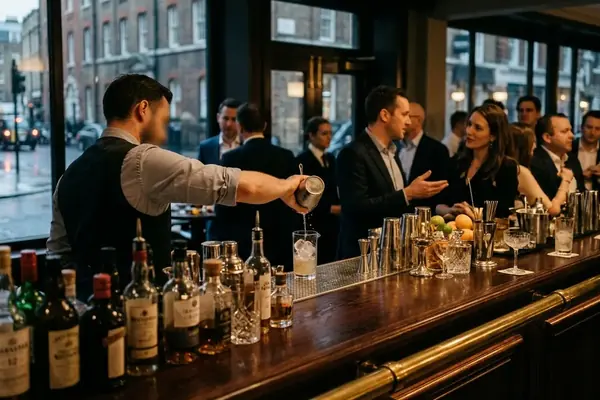
A cocktail bar is the stronger first stop when the evening needs calibration. It lets you test the room before you commit the whole group to volume, queue tolerance and a later-night spend structure.
The practical advantages are not glamorous, but they matter. Arrivals are easier. Timing is more forgiving. Introductions feel natural. If the night changes direction, nobody has lost face. You can finish a second drink, split the bill cleanly and decide whether the next move is a club, a shisha lounge, a hotel bar or home.
Drink quality changes the mood
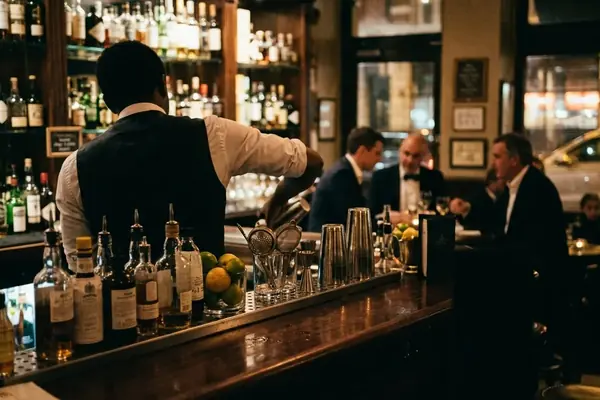
A well-made martini does a different job from a hurried spirit mixer. So does a sharp sour, a long spritz or a champagne cocktail served cold enough to hold its shape. When refinement matters more than volume, the first drink should make the group lean in rather than shout across the table.
From multiple visits, the first round often tells you whether the venue understands balance: dilution, temperature, glassware and garnish discipline. I look for a martini that stays clean after the first few sips, not one that arrives theatrical and collapses in the glass. That level of detail may sound narrow, but it affects pacing.
Use rounds as a clock
Allowing about 20 to 25 minutes per cocktail round keeps the evening moving without rushing the table. One round is a greeting. Two rounds are a proper start. Three rounds can be excellent if the plan is to stay bar-led, but it can make a later club move feel heavy unless the group is still alert and dressed for it.
- First round: gather the group, check appetite and settle the bill rhythm.
- Second round: decide whether the night needs more conversation or more energy.
- Before a third: confirm the next venue, route and door requirements.
When to Start at a Nightclub
Start at a nightclub when the club is the point of the night. If the group is there for a DJ, a guest list, a birthday table or a specific room, treating the club as the second stop can introduce more uncertainty than it solves.
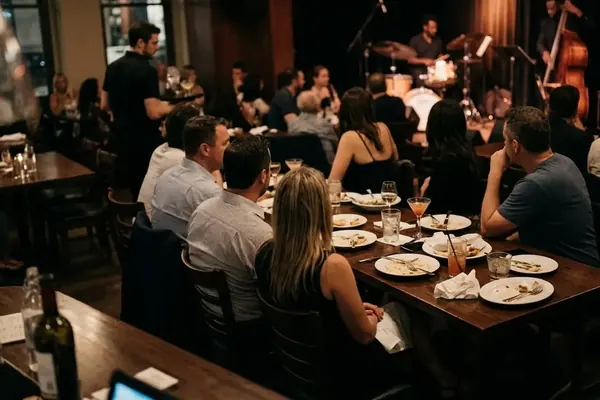
This is the destination-first version of the evening. The product is not simply drinks; it is the room, the crowd, the sound system, the timing and the feeling of being inside before the night has fully peaked. For the right group, that is exactly the appeal.
Earlier arrival reduces moving parts
Guest list arrival windows can be strict, commonly falling somewhere around 22:30 to 23:15. If your group is serious about that booking, a long cocktail prelude can work against you. Earlier direct arrival may reduce uncertainty around entry sequence, table position and group separation, though it will never remove door discretion or event variability.
The trade-off is clear. Once inside, there is less room for conversation and fewer chances to reset the plan. If two people decide they are hungry, tired or underdressed, the group has to solve that problem inside a louder, less flexible environment.
Who should choose club-first?
- Groups already aligned on dancing and staying out late.
- Guests attending a named DJ set, launch night or ticketed event.
- Celebrations where table position matters more than a slow first drink.
- Friends who have already agreed spend expectations before arrival.
If the night depends on conversation, do not pretend a club entrance will soften itself for you. It will not.
South Kensington Timing and Routes
South Kensington rewards a tidy route. The area has a polished day-to-night rhythm: dining, cocktails, shisha lounges, hotel bars, museum-adjacent plans and onward trips toward nearby nightlife districts can all sit within one itinerary.
Route planning matters because momentum is fragile. A seated bar to a club sounds easy until the weather turns, coats appear, heels start to matter and the group grows from four people to nine. A 12-to-15-minute walk in poor weather can feel longer than planned, while a short taxi ride of around 5 to 8 minutes may preserve energy if the group is dressed for a stricter door.
Plan the transfer before midnight
Do not wait until the bill lands to decide how everyone is moving. Check Tube timing, taxi availability, walking distance and the exact door address before the first drink. The TfL journey planner is still the cleanest official starting point for public transport options.
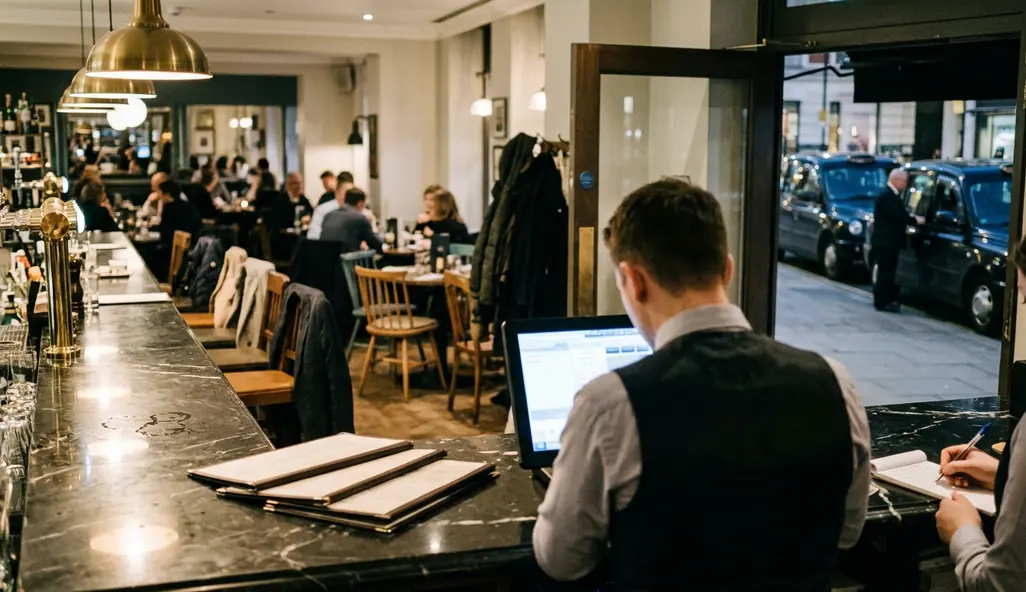
According to local guides, the smoothest South Kensington nights tend to avoid heroic cross-town jumps unless the later venue is the main event. Keep the first move elegant, then make the second move deliberate.
Weather changes tolerance
Queue tolerance depends on the shoes, coats and weather as much as the venue. People who are relaxed about waiting in mild weather can become very exacting when the pavement is wet and the dress code has pushed them into delicate footwear.
Budget, Dress Code and Door Risk
Budget predictability is one of the strongest arguments for starting at a cocktail bar. One or two controlled rounds are easier to explain, easier to split and easier to end.
Clubs can be simple if the terms are clear, but they can also involve entry, cloakroom, minimum spend or table expectations depending on the venue and the night. Table minimums can range from roughly £500 to £1,500 depending on group size and day of the week, so the organiser needs to know whether the group sees that as part of the plan or an unpleasant surprise.
Dress code is not decoration
A relaxed early bar can create a false sense of readiness. One catch: strict dress code enforcement at late-night venues often invalidates earlier, more relaxed bar plans if even a single group member fails to meet footwear or collar requirements.
This is not about making everyone look identical. It is about avoiding the deeply avoidable moment where seven people are ready to continue and one person’s trainers, jacket or missing ID changes the whole route. Door risk is a group risk.
Audit the plan before you leave
- Check whether the later venue has a guest list cut-off.
- Confirm whether table spend is required or optional.
- Make sure every guest has acceptable ID.
- Look at footwear and outerwear before committing to a stricter door.
- Agree how the bill will be handled if the group splits.
Limits and Final Choice
This guide helps choose the first stop. It cannot guarantee door entry, table availability, queue length, event atmosphere or transport conditions. Those variables sit with the venue, the crowd, the weather and the specific night.
The final itinerary should balance structure with enough flexibility to respond to fatigue, capacity or a group mood that changes after dinner. I prefer to lock the first two decisions: where we start, and what would make us continue. Everything after that can adapt.
A responsible night still feels better
Pace drinks. Eat properly. Plan the journey home before the last venue. Keep the group together when moving between doors, especially if some people know the area and others do not.
The final rule is simple: choose a cocktail bar for control and conversation; choose a nightclub for immediate energy and event focus. South Kensington can support either route, but it will not fix a plan that ignores the people inside it.


Add Your Thoughts