
Start With the Night You Want
South Kensington forgives a lot of loose planning — until a group chooses the wrong kind of late night.
Shisha lounges, cocktail bars and clubs can all carry an evening past dinner. They just do very different jobs. A lounge gives the table time to settle. A bar sharpens the mood without forcing a full commitment. A club takes the night into motion, volume and occasion.
I have seen the same pattern around Gloucester Road, Old Brompton Road and the wider South Kensington circuit: friends finish dinner, someone suggests the most talked-about venue, and nobody asks whether the group actually wants to talk, drink, dance or simply sit somewhere warm for another hour.
That question matters more than the venue name.
The useful decision lens
Before choosing a place, look at the shape of the group and the pace you want. This is the framework I use when comparing late-night options in the area:
- Conversation level: do people need to catch up, flirt, negotiate the next plan or avoid shouting?
- Pace: slow and seated, polished and flexible, or loud and escalating?
- Group size: couple, trio, birthday table or mixed crowd with different energy levels?
- Timing: early evening, post-dinner, pre-midnight or after midnight?
- Dress code: relaxed luxury, smart casual or door-policy ready?
- Spend: not just the first order, but the final bill once service, minimums and travel are counted.
- Dwell time: does the group want one drink, a long session or the final stop of the night?
Key Takeaway: Start with the mood, not the venue. South Kensington works best when the night is matched to the group before anyone books a table.
The Atmosphere-First Decision Frame
At first, I sorted late-night venues by average spend per head. That looked tidy and told me almost nothing. A premium shisha lounge and a mid-tier club can produce similar final bills, yet one gives you two hours of seated conversation while the other gives you a peak-night crowd and a door queue.
The better frame is energy.
Choose the room before you choose the name
A shisha lounge promises lingering conversation. The night tends to stay anchored around the table: flavours, teas, mocktails, desserts, quiet jokes, the slow rearranging of seats as people settle in.
A cocktail bar promises polish and flexibility. You can make it a first date, a pre-club stop, an after-work drink or a neat London evening for visitors who want something refined but not stiff.
A club promises movement and momentum. It is not built for catching up. It is built for the part of the night when talking becomes secondary to music, lighting, crowd energy and the sense that the evening has properly peaked.
Best-fit comparison
- Dates: choose a cocktail bar for a first date, a shisha lounge for a slower second or third date.
- Birthdays: choose a club if the group wants a clear celebration, or a lounge if the priority is keeping everyone together.
- Mixed groups: choose shisha when some guests drink and others do not.
- After-dinner plans: choose cocktails if the group may still move on, shisha if the group wants to land.
- Spontaneous nights: choose a bar first, then decide whether the room has enough energy to continue.
- Special occasions: choose the setting that matches the desired finish, not just the most photographed entrance.
This is a planning lens, not a venue audit; I treat each night’s licensing, staff roster, guest mix and terrace setup as variables.
When a Shisha Lounge Fits
A shisha lounge is the strongest choice when the night is built around staying seated.
That sounds simple, but it changes everything. Shared tables slow the group down. People face each other. Orders come in rounds rather than bursts. The evening becomes less about chasing the next room and more about letting one table carry the atmosphere.
What makes the lounge format special
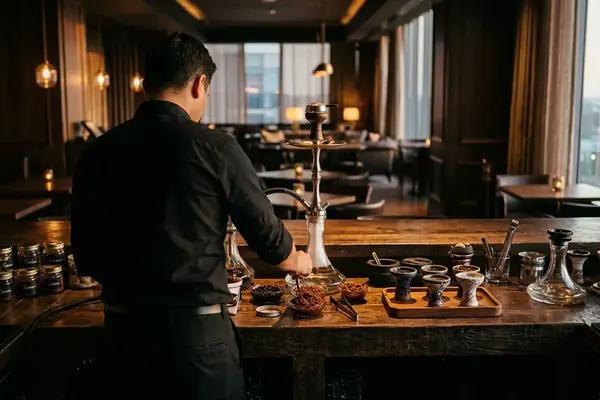
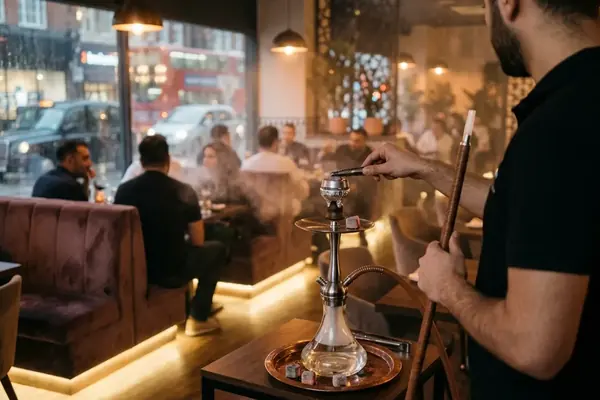
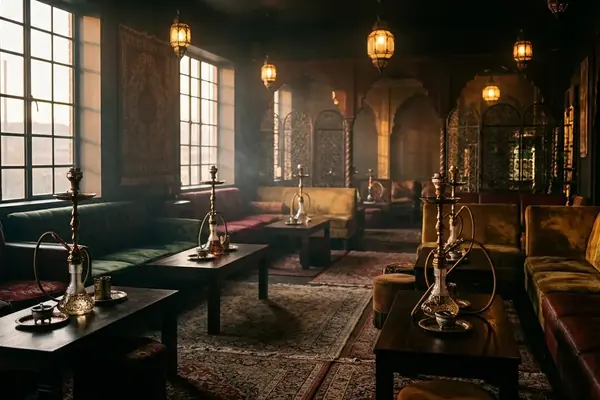
The best late-night shisha settings in South Kensington usually share a few practical markers: heated terraces, low lighting, table service, a considered flavour menu, mocktails, teas and desserts. The design invites a longer dwell time, and the service rhythm tends to respect that.
From multiple visits, typical dwell times tend to land somewhere around 90 to 150 minutes per table in lounge-led settings. That range matters because it explains why shisha works so well after dinner. You are not trying to fill a ten-minute gap. You are giving the night somewhere to breathe.
Terrace design matters too. Heated outdoor areas must be handled carefully, and venues need to respect open-air requirements. For the legal backdrop, the official UK smoke-free law guidance is the sensible reference point. In practice, look for terraces that feel comfortable without feeling sealed off.
Who should choose shisha
Choose a shisha lounge for catching up with friends, low-pressure dates, post-dinner lingering and mixed groups of drinkers and non-drinkers. It also suits people who want a social night without the crush of a dance floor.
The strongest lounge nights have a soft sense of occasion. Someone orders mint tea. Someone else gets dessert. A flavour is shared, then changed. The room stays stylish, but the pressure drops.
Pro Tip: If the group includes guests who have not seen each other for months, start with shisha or place it at the end. Do not bury the reunion inside a room where nobody can hear the second sentence.
When a Cocktail Bar Works Better
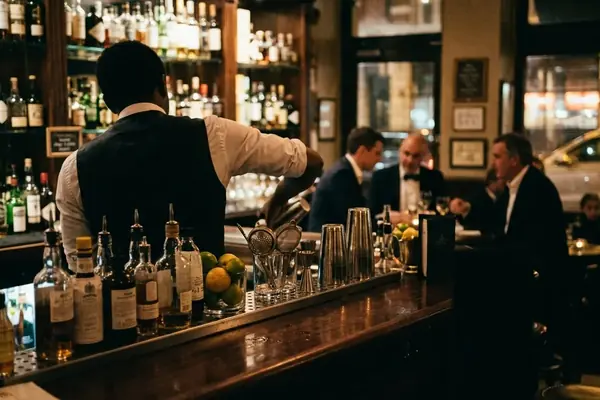
A cocktail bar is the right fit when the night needs polish without becoming fixed.
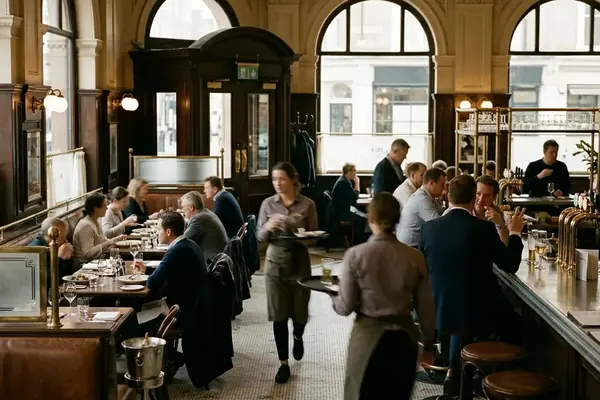
This is where South Kensington can feel particularly sharp. A good bar can carry a date, host a small birthday toast, soften the end of a workday or act as the clean bridge between dinner and a later plan.
The rhythm matters more than the menu size
Editorially, I give more weight to service rhythm and seating comfort than to the length of the drinks list. A bar with fifty serves and slow delivery can flatten a night. A tighter menu, handled well, keeps the table moving.
In well-run late-evening bar settings, drinks commonly arrive within roughly 7 to 12 minutes of ordering. That window is useful because it keeps the conversation alive without making guests feel rushed. You can order, talk, taste, adjust the plan and still leave cleanly if the group wants to move on.
Look for counter seating, low conversation music earlier in the evening, seasonal menus, classic serves, low-ABV options, aperitifs and late dessert cocktails. These details tell you whether the bar understands pacing.
Best situations for a cocktail bar
- First dates: enough style to feel intentional, enough flexibility to end after one round.
- Small birthdays: polished without the pressure of a full club table.
- Pre-club drinks: a controlled start before the volume rises.
- After-work meetups: easy to enter, easy to leave, easy to extend.
- Visitors: a refined London evening without asking them to decode a full nightlife circuit.
There is one South Kensington trap to watch for: a cocktail bar can be two different venues in one night. At 19:00 it may feel calm, seated and conversation-friendly. By 22:30, it can turn into a standing-room pre-club room with louder music and a completely different social temperature.
When the Club Is the Answer
Choose the club when the group wants the night to peak after midnight.
That is the club’s advantage. It gives a sense of occasion that a table cannot always supply: DJs, lighting, movement, late arrivals, heightened dress and the feeling that the evening has crossed into event territory.
The trade-off is real
Clubs create energy, but they reduce conversation quality. They also demand more planning. Entry protocols, queues, dress codes, guest lists, ticketing, table minimums and group coordination can all shape the night before anyone reaches the dance floor.
Peak entry windows typically fall somewhere between 23:30 and 01:15. Table minimums often start around a baseline of four to six guests. Those details are not decoration; they change how you organise transport, arrival time and the order of the evening.
The classic failure case is booking a high-energy club for a mixed group that includes guests who genuinely want to catch up. By the second loud track, half the table is smiling politely and checking coats. Early departures follow because the venue did exactly what it was designed to do.
Best situations for a club
Clubs suit birthdays, celebrations, visiting friends, live DJ nights and groups who want escalation after cocktails. They work best when everyone has agreed that the night is about movement, not extended conversation.
Warning: Relying on walk-in entry for groups larger than four on Friday or Saturday nights often leads to split parties or refusal at the door. If the group matters, plan the door before the first drink.
Plan the Sequence, Not Just the Stop
Late-night planning gets easier when you stop treating the venue as a single decision.
The smarter question is sequence. Where does the evening start? Where should it peak? Where should it end? South Kensington’s advantage is that walking transitions between nearby venues can often sit around 10 to 15 minutes, so the area supports a neat progression if the group agrees on the final energy level early.
Useful South Kensington sequences
- Dinner to cocktail bar: best when the group wants a refined finish but may not want a late one.
- Cocktail bar to club: best when the evening needs to build from conversation into music.
- Dinner to shisha lounge: best for groups who want to settle, talk and stretch the night without changing pace too sharply.
- Shisha before a quieter drink: best when the group wants a slower night but still likes the polish of a final bar stop.
- Cocktails to shisha: best when some guests want a drink-led start and others prefer a relaxed seated finish.
Couples and groups of three can stay flexible. Larger groups need reservations, clear meeting points and a budget agreement before the evening starts. Nothing drains the mood faster than six people outside a venue debating minimum spend while two others are already in a taxi.
Lock the final destination first
The final stop sets the tone for every earlier choice. If the night ends in a club, keep dinner and drinks efficient. If it ends in a lounge, leave enough time to enjoy the table. If it ends at a bar, choose somewhere that will still match the group’s volume and dress by the time you arrive.
That one decision prevents most mid-evening drift.
What This Guide Can and Cannot Decide
This guide helps you choose an atmosphere type. It does not guarantee entry, availability, pricing or venue quality on a specific night.
Nightlife changes quickly. Seasons, private hires, event calendars, staffing, licensing hours and weather can all alter the experience. A terrace that feels elegant in September can feel exposed in January. A calm bar on Wednesday can become a pre-club crush on Saturday. A club with smooth entry one week can tighten its door policy the next.
Check the live details
Before committing the group, verify opening hours, reservation rules, age policies, dress codes and terrace arrangements directly with the venue. For shisha, ask how the outdoor or semi-outdoor area is configured on the night you plan to visit. For clubs, confirm arrival windows and whether the whole party needs to arrive together.
That is not overplanning. It is how you keep a stylish night from becoming admin in the street.
The Quick Choice
Choose shisha for lingering conversation. Choose cocktails for polished flexibility. Choose clubs for high-energy celebration.
That is the clean version. The fuller version is still simple: mood, group fit and timing should come before venue popularity. A famous room cannot save a mismatched plan, and a quieter venue can become the best decision of the night if it gives the group exactly what it came out for.
The final planning rule
Pick the night’s final energy level first. Then choose the venue type that supports it.
If the group wants to talk, give them a table. If they want to taste and move, give them a bar. If they want the night to rise after midnight, give them the club and plan the door properly.
South Kensington has all three moods close at hand. The trick is not finding nightlife. The trick is choosing the right kind of late.


Add Your Thoughts