
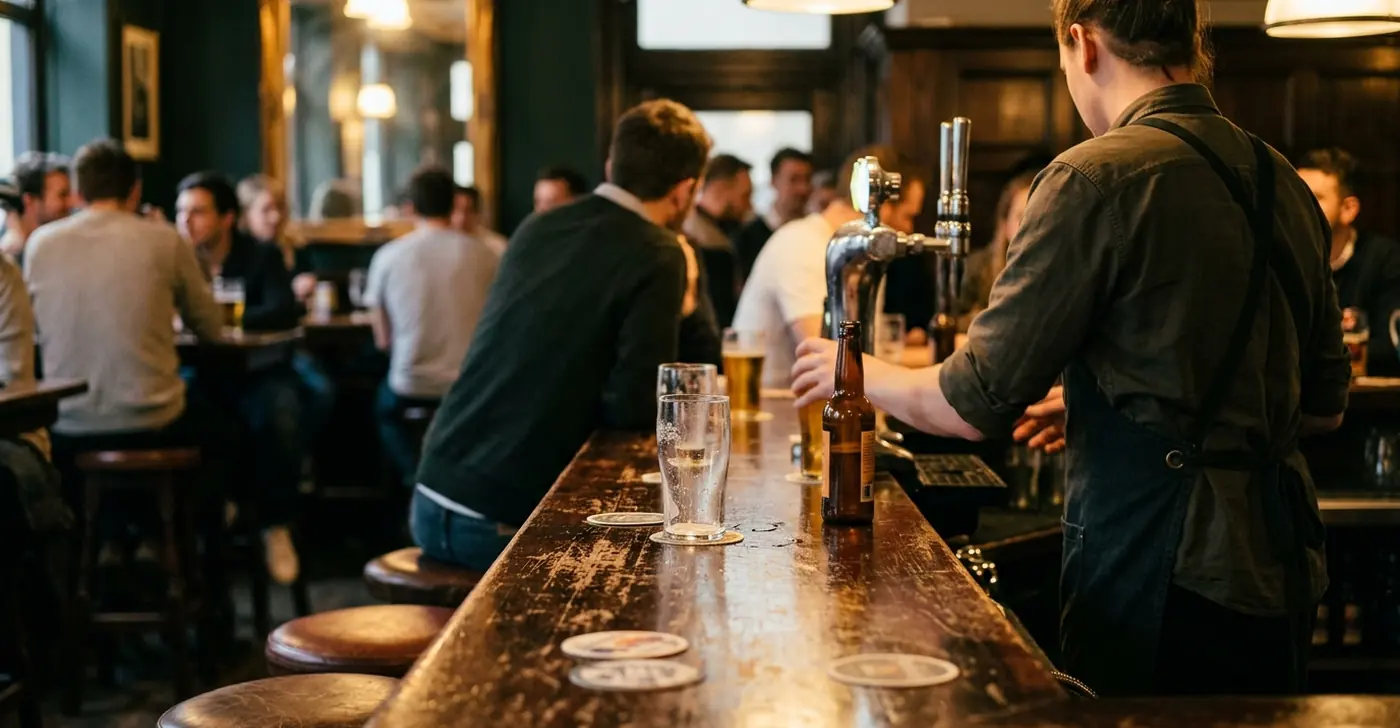
What Is Driving Tonight’s Crowd?
What makes South Kensington suddenly feel busy after dark, and how can you tell before choosing a night?
The answer begins with overlapping demand cycles. South Kensington nightlife draws from universities, museums, hotels, residential streets, offices and private event spaces. Each produces a different crowd, at a different hour, with different expectations around sushi & dining, cocktails & bars, live music & events and shisha lounges.
A museum evening programme may fill early tables without affecting a late club. Graduation dinners can tighten group availability while leaving smaller reservations untouched. A private reception may absorb an entire cocktail lounge even though the pavement outside looks calm.
Five signals carry most of the practical weight: academic calendars, museum activity, tourism, private events and seasonal social habits. Their collision matters more than any supposed universal peak night. Friday can feel effortless when those cycles separate; a wet Tuesday can become difficult when several converge.
How to Read Nightlife Demand
Separate Demand From Capacity
District demand describes how many people want to spend the evening locally. Venue capacity describes how many of them a particular room can accept. Confusing the two leads to weak planning.
A busy neighbourhood does not guarantee that every restaurant, cocktail bar, shisha lounge or club will be full. Price point, music policy, booking structure, dress expectations and entry rules divide the same crowd into distinct markets. Equally, a quiet-looking street can conceal severe reservation pressure inside one venue.
The Demand-Signal Matrix
A useful reading combines recurring calendar patterns with live operational clues. The method works as a decision aid rather than a precise forecast; it indicates where pressure is likely to concentrate and which part of the night deserves a firm booking.
- Time of year: Assess terrace use, daylight, festive dining and the tendency to remain indoors.
- University status: Check whether term beginnings, society activity or graduation occasions could produce group demand.
- Museum programming: Look for late openings, major exhibitions and evening events that keep cultural visitors nearby.
- Hotel and visitor activity: Consider whether leisure travel or conference guests may support midweek dining and cocktails.
- Private events: Watch for restricted booking times, missing group slots and unusually early entry cut-offs.
- Transport and weather: Allow for disruption, rain and cold conditions that alter arrival patterns and usable venue space.
Reservation scarcity provides the clearest live indicator. A narrow choice of dinner times, combined with limited group availability and a ticketed evening programme nearby, carries more meaning than a crowded street viewed in isolation.
Quiet-Street Trap
Private bookings can fill a venue before ordinary walk-in demand begins. Read the booking rules as carefully as the street.
The Seasonal Shape of a Night Out
Autumn Reassembles the Routine
Autumn reconnects work, study and event calendars. Regular office patterns return, university activity gathers pace, and indoor programming becomes more attractive. The resulting demand often arrives in layers: early dinners, organised drinks, then later music-led plans.
Summer has a different geometry. Visitors, longer evenings and outdoor dining spread people across terraces and pavements. Visible street energy may be stronger, yet the pressure on any one indoor room can feel less concentrated.
Cold Weather Shrinks the Map
Weather changes the usable footprint of a venue. Once guests abandon terraces, restaurants and cocktails & bars must fit the same interest into fewer seats. Darker, colder evenings also reduce casual wandering, encouraging people to remain in the first comfortable room they secure.
This explains why a subdued street can coexist with tight indoor capacity. Rain sharpens the effect by compressing arrival times: guests leave museums, hotels and transport points with less appetite for an exploratory walk.
Terrace Compression
When outdoor seating drops out of service, check indoor reservations before assuming lower street activity means easier access.
Festive Demand Comes in Blocks
The festive period combines group dining, work celebrations, birthdays and private bookings. Pressure varies sharply by date and format. A restaurant arranged around large tables may fill early, while a nearby bar still has space for pairs; elsewhere, a reception may reserve the bar and leave dinner service operating normally.
Group demand also lengthens dwell time. Guests who might ordinarily move elsewhere for cocktails can remain at the same venue when the booking includes a set menu, entertainment or a reserved area.
When Student Calendars Matter
Concentrated Dates, Selective Effects
The opening stretch of term, end-of-term celebrations, society events and graduation periods can add concentrated demand. Their effect depends on the venue rather than the district alone.

Early-evening student dining often favours accessible group menus, flexible seating and locations that accommodate mixed arrival times. Later club demand responds to music policy, entry price, guest-list conditions and closing hours. Those are separate behaviours, even when they occur on the same night.
Upscale cocktail bars and members-style spaces rarely receive routine student traffic simply because term is active. Graduation dinners, formal society occasions and hosted celebrations create more relevant intersections. Treating the student calendar as a universal driver exaggerates its reach.
Academic Breaks Leave Space for Other Crowds
Reduced student presence can make some casual venues easier to access. It can also be offset by tourists, conferences, hotel guests or private functions. The practical question is which audience a venue is built to serve.
A music-led basement with strict entry conditions may respond strongly to a term event. A polished lounge centred on table service may notice little change until graduation groups or family dinners arrive. Calendar knowledge becomes useful only after it is matched to price point and format.
From Museum Footfall to Evening Tables
The Cultural Transition
Museum visitors do not become a nightlife crowd automatically. The conversion occurs when they choose to stay nearby for aperitifs, dinner, cocktails or shisha instead of returning directly to a transport hub.
Closing periods create a recognisable early-evening transition. Guests leave exhibitions with a shared need: somewhere close, comfortable and available without a complicated detour. Restaurants within an easy walk absorb the first wave, followed by bars that suit an unhurried drink before dinner.
Late openings and evening programmes change the sequence. They can push dining later, create demand for drinks beforehand, or feed a concentrated group into nearby hospitality venues once the programme ends. Major exhibitions and weekend visits carry similar potential when visitors have left time for a local meal.
Distance Weakens the Spillover
Cultural footfall loses influence as the walk becomes less immediate. Visitors tend to disperse towards stations and other transport routes once a venue feels detached from the museum cluster. Rain, unfamiliar streets and uncertain availability accelerate that dispersal.
The strongest opportunities therefore sit along a simple day-to-night route: exhibition, nearby drink, dinner, then a deliberate decision about live music & events or a later lounge. A venue deeper into the district needs a reservation, a known programme or a clear recommendation to pull guests beyond that natural path.
The Hidden Weight of Private Events
Public Inventory Can Disappear Quietly
Launches, receptions, birthdays, corporate dinners and venue buyouts reshape an evening without producing obvious street crowds. Their impact falls on inventory. A private booking may remove a room, a terrace, several tables or the whole venue from public sale.
This hidden reduction explains why normal-looking demand can still produce awkward reservation times. The neighbourhood has fewer usable seats before regular guests begin searching, so nearby venues absorb displaced diners and drinkers.
Operational Clues Guests Can See
- Reservation times appear only at the beginning or end of service.
- Small tables remain available while group bookings vanish.
- Last entry is earlier than the venue’s usual closing pattern suggests.
- A room is omitted from booking options.
- The venue advertises a ticketed programme or hosted celebration.
Any one clue can reflect ordinary operations. Several appearing together suggest that public capacity has tightened. Calling ahead becomes especially useful when the night depends on a particular room, performance or table type.
Private events can also move demand sideways. Guests leaving a reception often look for a nearby late drink, while people displaced by a buyout search for alternatives at roughly the same time. One closed room can therefore raise pressure across several neighbouring cocktails & bars.
Match the Night to Your Priorities
Maximum Atmosphere
Atmosphere seekers should look for aligned signals: active term time, cultural programming, favourable weather and visible venue events. The reward is a fuller room and a stronger sense of occasion. The cost appears through tighter reservation choices, queues and stricter entry management.
Build this night around the least flexible element. A guest-list cut-off, fixed performance or sought-after dinner table should control the schedule, with enough space between stages to absorb service delays and door checks.
Easier Access
Choose dates when fewer demand signals overlap. An earlier arrival can avoid the cultural and dining crossover, while a confirmed booking removes uncertainty from the busiest stage of the evening. Venues with transparent entry policies also reduce last-minute negotiation at the door.
Easier access does not require an empty room. A well-timed dinner followed by a nearby lounge can retain the character of South Kensington nightlife without placing every decision at the busiest point of service.
Energy With Less Waiting
The balanced option pairs one guaranteed anchor with flexible surroundings. Reserve dinner, then keep cocktails open; or secure entry for live music and allow the earlier meal to remain casual. Avoid linking two difficult reservations unless their timings are compatible.
Anchor The Evening
Work backwards from the booking with the strictest timing. Flexible stops should sit around it, not compete with it.
A Worked South Kensington Evening
Consider a night when university activity is strong, a museum is running an evening programme, rain is forecast and one preferred venue has a private event. The district may look merely damp and busy, yet the matrix points to compressed indoor capacity, clustered arrivals and reduced public inventory.
Option One: Early Dinner, Then Cocktails
The early dinner becomes the anchor because museum spillover is likely to tighten tables as the cultural programme changes pace. A confirmed restaurant booking protects the first stage. Cocktails can follow at a nearby venue with normal public service, checked again on the day for room restrictions or altered entry conditions.
This plan suits guests who want conversation and polish. Its main vulnerability is the transition between venues in poor weather, so the alternative bar should be close enough to reach without returning to a station or crossing the district.
Option Two: A High-Energy Late Night
The late entry condition governs the schedule. Dinner should finish with a deliberate margin for payment, coats, travel and door checks. Active university calendars may increase demand for certain music policies, while the private event can push displaced groups towards the same late venues.
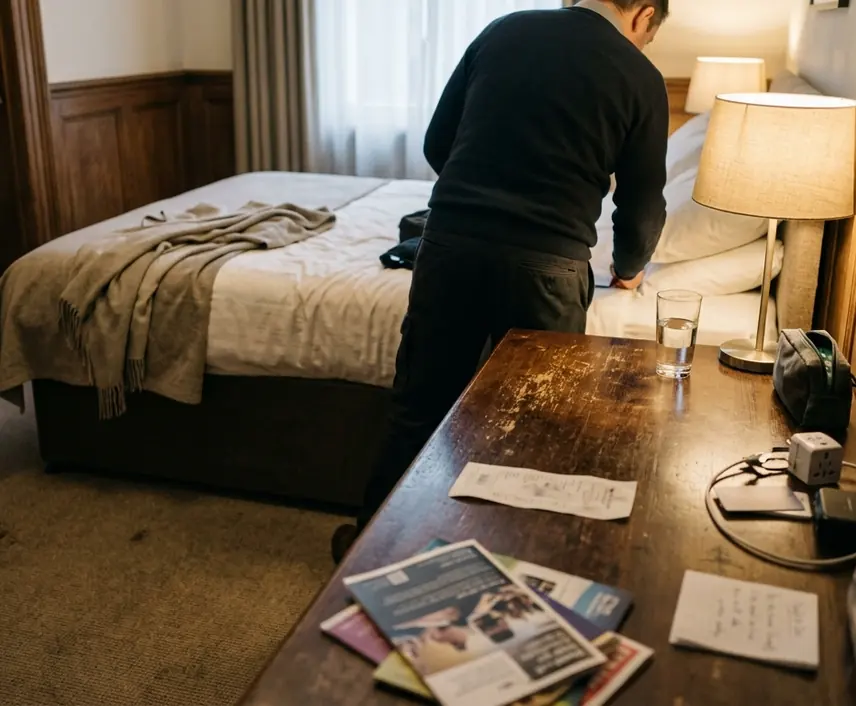
Here, spontaneity belongs at dinner rather than at the club door. Securing the strictest entry first prevents an enjoyable meal from consuming the time needed for the main event.
Option Three: A Low-Queue Catch-Up
An earlier table away from the immediate museum route offers the cleanest fit. The group can choose a restaurant or shisha lounge with confirmed indoor seating, then remain in place rather than joining the post-programme movement between venues.
A nearby contingency still matters. Rain can change terrace plans, and private events can alter access with little visible warning. The strongest fallback shares the same mood and sits within a very short walk, allowing the evening to pivot without becoming a search exercise.
With the hardest reservation secured and one local alternative checked, which matters more for this South Kensington night: the fullest room, the easiest door or the smoothest sequence?


Add Your Thoughts