London Club Dress Codes Explained: What Smart Casual Really Means
Smart casual at a London club door is not one fixed outfit. It is a standard of polish, fit and intent. The guest who looks ready for dinner, a bar seat and a late set will usually read better than the guest who has technically expensive pieces but no care in the overall presentation.
That distinction matters in South Kensington, where a night can start with sushi, slip into a hotel bar, move through a cocktail lounge and end near the ropes. Dress for the whole route, not just the final room. This guide helps reduce avoidable door issues; it does not guarantee entry.
What Smart Casual Means at London Club Doors
Smart casual is best understood as a promise: the outfit shows that the guest has made an effort for the setting. It does not demand a suit, a bodycon dress or designer labels. It does demand clean lines, good condition, sensible grooming and clothes that look chosen rather than grabbed.
At mixed-use venues, the standard usually sits between restaurant polish and club practicality. A fine knit with tailored trousers can work. So can dark denim with a crisp shirt. A dress with boots can look more confident than a fragile outfit built only for photographs.
Intent matters more than a garment list
The most useful test is simple. Could the outfit pass at a good dinner, hold up at a cocktail bar and still feel right when the music gets louder? If yes, it is probably close.
A pristine designer tracksuit being turned away while a generic but well-ironed high-street overshirt is admitted tells the story neatly. Price did not settle the decision. Presentation did.
What Door Staff Usually Notice First
Door staff rarely study an outfit piece by piece at the start. At the rope, the first visual assessment typically happens within a few seconds as guests approach. That quick read gives weight to the pieces that appear first: shoes, outerwear, grooming and group behaviour.
The ground-up scan
Shoes lead the conversation. Clean loafers, polished boots or immaculate leather trainers suggest care. Muddy soles, tired gym trainers or nightclub-damaged heels suggest the opposite, even if the rest of the outfit is stronger.
Outerwear comes next because it frames the body before anything else. A structured coat, tidy leather jacket or clean wool overcoat can make a simple outfit look deliberate. A shapeless hoodie under a puffer can drag down an otherwise acceptable look.
Grooming sits in the same first-impression bracket. Fresh hair, tidy collars and clothes that sit properly matter more than loud branding. Visible sportswear, novelty pieces and stag-night energy work against the smart casual mood fast.
The group read
Queues create theatre. A polished group presentation can matter at smaller South Kensington venues and members-style spaces because the door is judging fit with the room as much as fit with the dress code.
One underdressed person can shift the read of the whole group. So can loud queue behaviour, open drinks nearby or a phone argument with someone on guestlist. Confidence helps; entitlement does not.
Men’s Smart Casual: Reliable Outfit Formulas
The safest men’s looks are not complicated. Start with dark jeans or tailored trousers. Add a crisp shirt, a fine knit, an overshirt or an unstructured blazer. Keep the colour palette tight and let fit do the work.
Formulas that travel well
Dark jeans, crisp Oxford shirt and Chelsea boots: easy for dinner, strong enough for a lounge, relaxed enough for late music.
Tailored trousers, fine merino knit and loafers: polished without looking like office spillover.
Black denim, overshirt and leather trainers: casual, but only if the trainers are in excellent condition.
Unstructured blazer, plain tee and smart lace-ups: useful when the venue leans hotel bar before club.
Listing acceptable trainer brands sounds helpful until a door policy changes, a promoter tightens the room or the shoes look battered. The better rule is condition and shape. Leather trainers can pass when they are sleek and clean. Running shoes, gym trainers and bulky soles carry a different message.
What to avoid
Sports shorts, football shirts, heavily distressed denim and bulky casual hoodies create easy reasons for refusal. They may be fine for the pub, but they rarely read as smart casual at an upscale club door.
Men often lose the standard at the edges: sagging hems, tired collars, scuffed toes, a jacket that looks like it came from the back seat. Fix those before thinking about expensive upgrades.
Women’s Smart Casual: Polished Without Overdressing
Women’s smart casual has more range, which can be useful and annoying in equal measure. Dresses work, but so do tailored separates, elevated denim, blouses, jumpsuits, leather jackets, structured coats and refined accessories.
The aim is not to look formal. It is to look considered.
Footwear that survives the night
Heels are not always required. Smart boots, loafers, dress flats and elegant trainers may work depending on the venue. The key is that the shoe still feels like part of an evening outfit, not an errand shoe that wandered into a club queue.
Practicality deserves more respect than it gets. Navigating between venues often involves a brisk ten- or fifteen-minute walk over uneven paving or cobblestones. South Kensington can mean cobbles, late taxis, restaurant stairs, cloakrooms and a queue that moves slower than planned. The prettiest shoe in the room is not much use if it changes the whole mood before midnight.
Layers and accessories
A leather jacket might be perfectly acceptable at a late-night cocktail bar but asked to be checked into the cloakroom at a basement club. Structured coats tend to make the transition better. Small bags also help; they look neater, move through security faster and reduce the temptation to overpack.
Refined accessories can lift simple outfits. A neat belt, good earrings, a strong bag shape or a clean manicure can do more than another statement item.
South Kensington’s Day-to-Night Dress Code
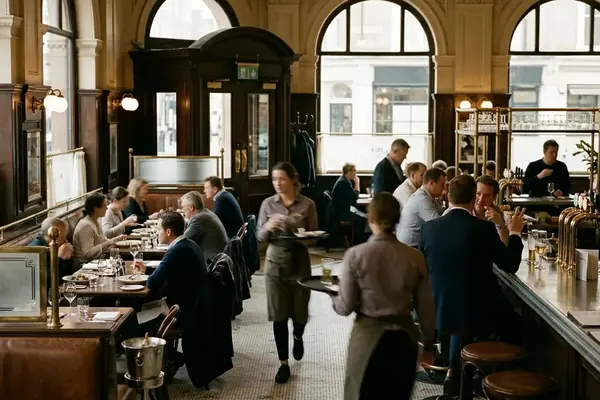
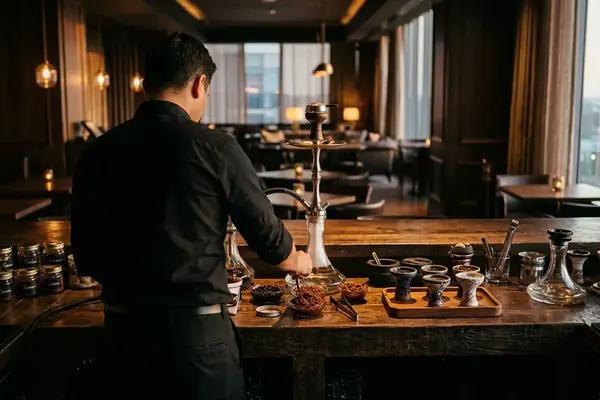
South Kensington nightlife has its own rhythm. Museum-area dinners, hotel bars, cocktail lounges, shisha terraces, student groups and private events sit close together, and guests often move between them in one evening.
A typical flow might mean a dinner reservation around half seven, a cocktail lounge slot around ten, and a late-night venue after that. An outfit that only works for the last stop can feel wrong twice before it becomes useful.
Dress for the route
The better approach is to build for three tests: restaurant-appropriate, bar-appropriate and queue-appropriate. Restaurant-appropriate means seated polish. Bar-appropriate means ease and a little edge. Queue-appropriate means the outfit still looks intentional under street lighting and outerwear.
In winter, coats matter. Choose wool, tailored shapes, leather or clean technical pieces that do not swamp the outfit. Knitwear should read refined, not sofa-bound. Fine gauge, good fit and a sharp neckline help.
In summer, the trap is going too beachwear-casual. Linen can work. Resort shorts, rubber sliders and flimsy vests usually do not. Warm weather does not remove the need for structure.
Key Takeaway: South Kensington rewards outfits that can move. If the look only makes sense in one room, it may struggle across the whole evening.
Common Reasons Smart Casual Fails
Most smart casual failures are not dramatic. They are small frictions that stack up until the guest no longer fits the room.
Dirty or badly scuffed shoes.
Visible gymwear or heavily branded sportswear.
Oversized casual layers that hide the outfit.
Messy outerwear, including stained coats or shapeless hoodies.
Novelty outfits that belong to a theme night no one else is attending.
Aggressive branding that looks more like display than style.
Poor group conduct in the queue.
Dress code is only one part of entry. Intoxication, queue behaviour, guestlist status and event capacity can all affect the decision. A guest can dress well and still miss the room if the event is full or the booking is unclear.
Warning: Arguing the dress code at the door rarely helps. It turns a style question into a behaviour question, and that usually makes entry less likely.
Scope: When This Advice May Not Apply
London has no single smart casual rulebook. Each venue, promoter and event can set its own standard, and those standards may change by night, crowd, room or private booking.
This guidance is deliberately conservative; it suits mainstream upscale and mixed-use nights better than fashion-week afterparties or tightly controlled private rooms. Members’ clubs, student nights, private hire events, fashion-led parties, strict guestlist venues and themed events can all override the usual smart casual logic.
Private members’ clubs and ticketed fashion-week afterparties frequently enforce black-tie or highly specific thematic dress codes that supersede any general smart casual guidance. If a venue publishes dress guidance, read it. If the night is ticketed or in high demand, check again on the day.
The Five-Minute Pre-Club Checklist
The best dress code fix happens before leaving home. Run the final visual and logistical check a couple of minutes before ordering transport, while there is still time to change shoes, swap a jacket or remove the gym hoodie from the plan.
Inspect footwear for scuffs, dirt or overly casual athletic styling.
Check that outerwear is structured and clean.
Remove obvious gymwear or heavily branded sportswear.
Organise pockets so nothing bulges awkwardly.
Have ID ready and easy to reach.
Confirm booking, ticket or guestlist details before arrival.
Look at the group together and ask: does everyone look like they are going to the same type of venue?
Pro Tip: Pack lightly. A small bag, secure essentials and fewer loose items can reduce cloakroom delays and make security checks smoother.
Final Takeaway
Smart casual in London nightlife is not about dressing stiffly. It is about looking ready for the room, the route and the people managing the door.
Clean shoes, sharp outerwear, controlled layers and calm group energy will take most guests further than labels or last-minute bravado. Dress for the entire evening’s trajectory: dinner lighting, bar stools, pavement queues, cloakroom rules and the final track. That is where the best London nights usually begin.




Add Your Thoughts