
How London Weekend Brunch Has Split Into Styles
London brunch no longer behaves like a late breakfast that happened to run into lunch.
It has become a weekend structure: a booked table, a chosen pace, a drinks decision, a dress-code reading, and often a second plan waiting behind it. Around South Kensington, that shift is especially visible because the district pulls in several different weekend rhythms at once: museum mornings, polished restaurant lunches, cocktail-led afternoons, visiting families, student groups, and people quietly building a full day that ends much later than it began.
The useful distinction is not cuisine first. It is function first. A classic brunch solves a different problem from a bottomless brunch, even when the bill looks similar. A lounge-led sitting has different social physics from a restaurant-led one. Event brunches bring their own momentum, but also their own rules.
Typical weekend brunch transition windows run from late morning to late afternoon, which means the same table can mean breakfast, lunch, pre-cocktails, or the opening act of a night out. This guide treats brunch as a planning choice, not a menu category.
Criteria for Selection
The first filter is reader-usefulness: each style has to help a diner decide where, when, and how to book. A long list of attractive venues does not help much if the group still cannot tell whether they need quiet conversation, a fixed-fee celebration, or a table that can stretch into cocktails.
In our review, price looked useful on paper, then became too blunt. A fixed-fee bottomless package serves a completely different social function from an identically priced à la carte brunch. One is built around pace and included drinks. The other may be built around food quality, service rhythm, and the freedom to leave early.
The criteria used here are practical: menu structure, drinks format, atmosphere, group suitability, timing flexibility, and how smoothly the brunch connects with the rest of the day. Peak weekend slots typically require booking a couple of weeks or more in advance, so the wrong category is not just inconvenient; it can lock a group into the wrong afternoon.
- Conversation level: Can six people actually hear each other, or is the room designed for energy?
- Alcohol focus: Is drinking central, optional, or secondary?
- Dress expectations: Does the setting lean casual, polished, or nightlife-ready?
- Booking pressure: Are deposits, return times, or arrival windows likely to matter?
- Next move: Does the table work before museums, shopping, cocktails, theatre, or a club booking?
1. Classic Brunch: The Reliable Weekend Anchor
Classic brunch is the most flexible of the styles because it asks the least from the group.
The form is familiar: eggs, pastries, pancakes, smoked salmon, coffee, fresh juice, and sometimes a glass of sparkling wine for the person who wants the weekend to feel a little more dressed. It suits mixed groups because nobody has to perform enthusiasm for a theme, a DJ, or a timed drinks package. People can arrive from different parts of London, order at different appetites, and still feel as if they are sharing the same occasion.
In South Kensington, classic brunch earns its place because it works around landmarks. It can sit before the museums without flattening the rest of the day. It can follow a slow hotel morning. It can handle parents, friends, visitors, and couples who want an elegant start without committing to a long afternoon.
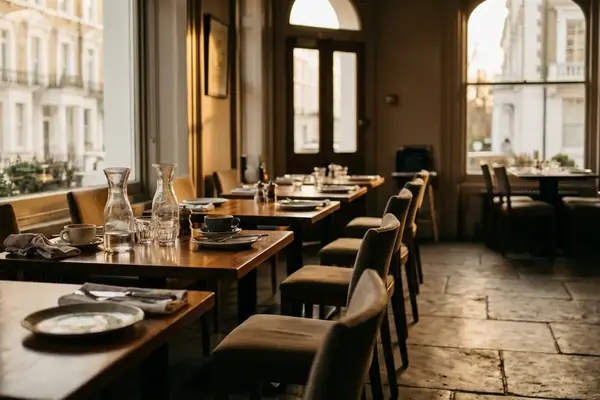
The expected room is bright, earlier, and easier on the ear. Table return times for classic brunch sittings tend to run around an hour and a half to just under two hours, which is enough for a proper catch-up but not so long that the day loses shape.
Pro Tip: Book classic brunch when the group has mixed energy levels. It gives the early risers, the coffee-first guests, and the sparkling-wine people a common table without forcing one mood onto everyone.
2. Bottomless Brunch: The Social Set Piece
Bottomless brunch is not simply brunch with more drinks. It is a time-limited format where selected drinks are included, or added as an upgrade, alongside food.
That structure is exactly why it works for birthdays, reunion groups, celebration weekends, and guests who want a fixed-fee experience. The appeal is social clarity. Everyone knows the table has a start, a drinks rhythm, and a reason for being louder than a normal lunch. For groups that have not seen each other in months, that can be useful.
The conservative note matters. Most bottomless formats enforce a strict 90-minute window, with final drink orders taken near the end of that window. Before booking, check the duration, drink list, last pour rule, service charge, and food quality. A package that looks generous can feel thin if the menu is treated as an afterthought.
Alcohol also needs adult planning, not moral drama. The UK Chief Medical Officers’ low-risk drinking guidelines advise consuming no more than 14 units per week, which is worth keeping in view when a daytime booking is expected to lead into evening plans.
Warning: Do not book bottomless purely because the group wants “value.” Book it because the occasion genuinely benefits from a timed, drink-led format.
3. Lounge-Led Brunch: The Day-to-Night Bridge
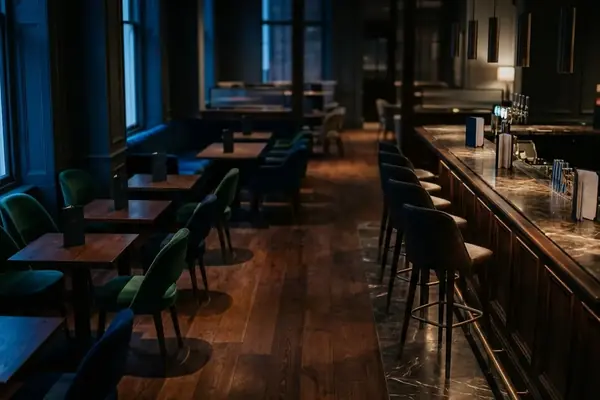
Lounge-led brunch is the most relevant style for an upscale South Kensington weekend that may not end after lunch.
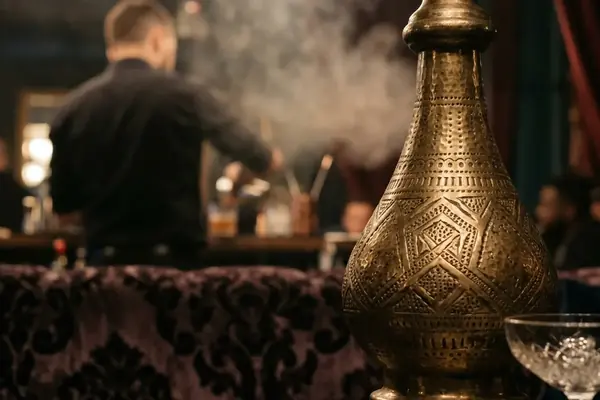
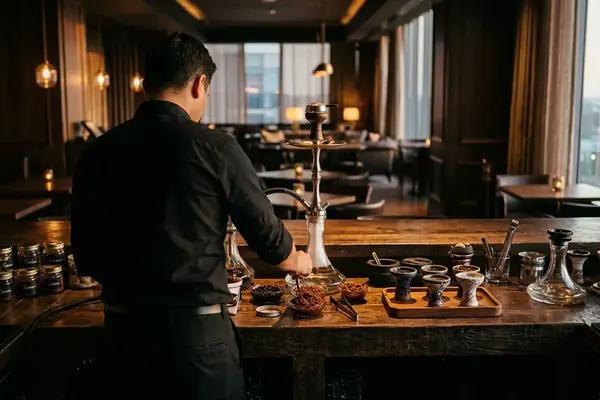
The format usually starts later. Lounge-led sittings generally begin with peak arrivals in the early to mid afternoon, which changes the psychology of the booking. This is not a quick plate of eggs before a museum queue. It is a slower entry into the afternoon: low lighting, polished service, cocktails, shisha where appropriate, sharing plates, and a soundtrack that gradually lifts.
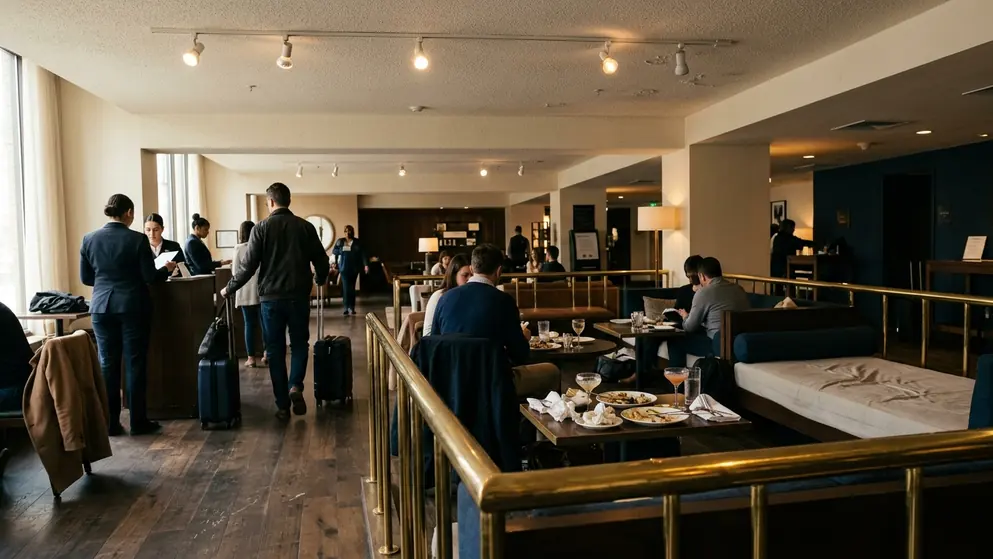
Atmosphere does much of the work. Music volume often rises noticeably by late afternoon to bridge into evening service. At that point, the table becomes less about catching every sentence and more about keeping the group together as the mood changes.
This is the style for guests who want brunch to turn into early evening drinks without moving venues immediately. It suits birthdays with a sharper dress code, visiting friends who want London to feel cinematic, and groups who dislike the awkward mid-afternoon gap between lunch and cocktails.
One catch: the seamless transition from a lounge brunch to evening cocktail service frequently requires agreeing to a secondary minimum spend commitment if the group intends to occupy the table into the evening. Ask before the booking is confirmed, not when the second round arrives.
4. Restaurant-Led Brunch: Food First, Drinks Second
Restaurant-led brunch begins with the kitchen rather than the drinks package.
That distinction changes the table. The menu may lean Mediterranean, modern European, seafood-focused, grilled, mezze-style, or dessert-led, but the promise is the same: the food is not a prop for the drinks. It is the reason to book. This is where a well-made plate, a considered sauce, or a properly paced sharing menu matters more than the number of refills.
It suits food lovers, date plans, family visits, and visitors who want a refined meal without the stiffness of dinner. It also works for groups that prefer quality over volume. The room may still feel polished, but it will usually protect the meal more carefully than a high-energy brunch format.
Dedicated brunch menus are frequently restricted to an early-to-mid afternoon window before the kitchen closes to reset for dinner service. Assuming a full à la carte menu is available during a dedicated brunch service often leads to disappointment when kitchens run a restricted daytime sheet.
The better approach is simple: read the actual brunch menu before choosing the venue. If one person is expecting oysters and grilled fish while another is expecting pancakes and coffee, the mismatch will show quickly.
5. Event Brunch: Music, Themes and Live Moments
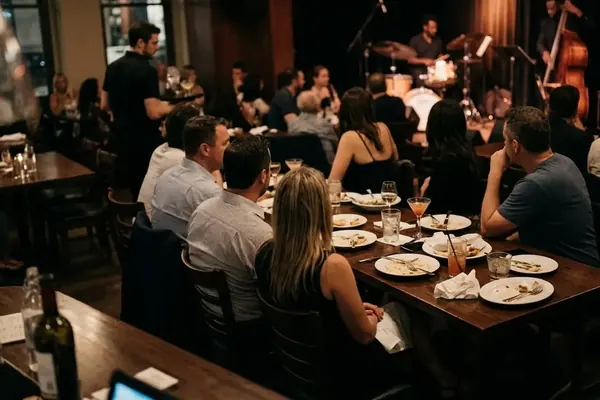
Event brunch is brunch with a built-in happening: DJs, live performers, themed menus, seasonal occasions, ticketed experiences, or a room designed around participation.
For nightlife planners, its strength is structure. The group has a clear start time and a shared activity before the evening develops. Nobody has to invent momentum after the plates arrive because the room has already supplied it. This can work beautifully for birthdays, bank-holiday weekends, and groups visiting London who want one memorable booking rather than three separate reservations.
The trade-off is control. Ticketed or event-led brunches routinely require upfront deposits of around £15 to £25 per head. Arrival windows are strictly enforced, often requiring the entire party to be present within roughly 15 minutes of the reservation time to avoid forfeiting the table. Set menus, cancellation rules, and table return times also matter more than they do at a casual brunch.
The suitability of an event brunch varies heavily depending on whether the group expects to hold a sustained conversation or actively participate in the entertainment. If half the table wants a proper catch-up and the other half wants a performer-led afternoon, the booking can split the group before the first drink lands.
How to Choose the Right Brunch Style
The cleanest decision framework starts at the end of the day and works backward. Where is the group going after brunch: a museum, a cocktail bar, a theatre, a club, a shopping route, or nowhere at all?
Once that answer is clear, the brunch style usually reveals itself.
Match the style to the occasion
- Choose classic brunch when flexibility, calm conversation, and mixed appetites matter most.
- Choose bottomless brunch when the booking is a celebration and the group wants a fixed-fee drinks rhythm.
- Choose lounge-led brunch when the plan should slide into early evening drinks without an immediate venue change.
- Choose restaurant-led brunch when the food is the point and drinks are there to support the meal.
- Choose event brunch when energy, music, themes, or live entertainment are part of the reason to meet.
Ask the practical questions first
- How long does the group actually want to stay?
- Is alcohol central to the occasion, or just available?
- Does the table need to support quiet conversation?
- Will the group move on to a bar, club, museum, theatre, or hotel afterward?
- Does the booking need to absorb late arrivals, or will strict timing cause stress?
South Kensington rewards tight logistics but punishes fantasy timing. Weekend pavements fill quickly around museum exits, transport can slow the neatest itinerary, and later cocktail reservations rarely care that brunch service ran long. Logistical planning in the district means allowing roughly 20 to 30 minutes for walking or transit between a restaurant exit and a museum or theatre entry.
Scope and Limitations
No brunch style is universally better. Each one creates a different social contract.
Classic brunch gives range but may lack occasion. Bottomless brunch creates momentum but narrows the pace. Lounge-led brunch can carry a group into the evening, though it may introduce minimum spends and louder sound levels. Restaurant-led brunch protects the food but may operate within a tighter kitchen window. Event brunch creates a memorable anchor, yet it can limit conversation and flexibility.
There is also a South Kensington-specific reality: refined does not always mean quiet, and relaxed does not always mean casual. A room can look elegant and still run on strict table turns. A lounge can feel leisurely in the early afternoon and become firmly evening-led by early evening.
Summary Takeaways
The most dependable way to choose brunch is to prioritise atmosphere first, drinks format second, and menu third. That order may feel counterintuitive, but brunch is rarely only about what is on the plate. It is about how the group wants to spend a specific part of the weekend.
Key Takeaway: Start with the social function of the meal. If the group needs calm, choose classic or restaurant-led. If it needs celebration, choose bottomless or event-led. If it needs a smooth move into cocktails, choose lounge-led.
South Kensington gives all of these styles room to exist. The point is not to chase the most talked-about booking. The point is to choose the format that fits the people at the table and the night still ahead.
Add Your Thoughts