
Plan South Kensington from the Final Set
A South Kensington event night works best when the final set and the seat you want determine the rest of the plan. Start with the performance you hope to hear, establish when it ends, and work backwards through entry, dinner and the journey home. That sequence gives the music room to be the centre of the evening instead of leaving its start time at the mercy of a slow meal.
Seasonal patterns are useful for finding possibilities. Spring might suggest jazz after dinner; summer might open up a later DJ night. Neither tells you what is happening on a particular Friday. The organiser’s current listing supplies the date, format and timings that turn an idea into a booking.
The best plans also consider how the night feels between venues. A long dinner followed by a seated set calls for a different pace from cocktails before a standing event. In South Kensington nightlife, the walk, the bill and the trip home belong in the same plan as the show.
Spring Jazz and Summer DJ Nights
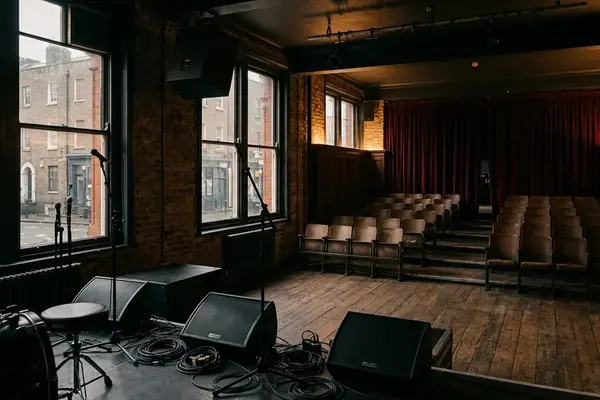
Spring jazz suits an evening that begins at the table. A South Kensington dinner can run at an unhurried pace when the performance has a confirmed start time and the venue makes clear when guests should arrive. Look for a listing that describes the seating as well as the music: an ensemble heard from a dedicated performance space offers a different night from musicians playing alongside restaurant service.
Summer brings a sharper choice between a DJ residency and a one-off show. A residency may provide another chance to attend if the first date clashes with dinner plans. A one-off appearance puts more weight on checking availability and ticket terms early. In either case, the current organiser listing settles the actual date and conditions; the season alone establishes nothing about the programme.
Choose the Room as Well as the Music
For a DJ night, compare the atmosphere the room is set up to create. Can guests sit and talk before the music gathers pace, or does the event expect a standing crowd from entry? Floor space and summer ventilation matter when a room moves from background sound to high-energy tracks. A table can be appealing for a social evening, while an open floor makes sense when dancing is the point. Check the stated start and seating format before choosing between them.
Autumn One-Offs and Winter Tables
Autumn listings are worth scanning for performances that suit a single, deliberately planned night out. Treat each one-off as its own proposition: read the performer name, date, room and booking options together. A seasonal search can help narrow the choice, but it cannot promise a particular act or a recurring jazz night.
In winter, comfort becomes part of the event itself. A table with a clear view of the performance area may sound ideal until its position puts guests beside the entrance or too far from the music to hear comfortably. For a hybrid dining-and-music venue, inspect any seating plan and consider sightlines, the route between dining and performance areas, and whether the table feels exposed to people coming and going.
Festive-period listings deserve a fresh read even if the venue is familiar. Entry arrangements, food service and set times may differ from an ordinary night. An old calendar or a saved social post is a useful reminder to investigate, not a basis for fixing dinner and travel.
Read the Listing Before Choosing the Show
The organiser’s current event page is the working document for a specific night. It should answer a question that an enticing photograph rarely does: what will guests actually do once they arrive?
A listening-focused jazz set rewards a seat with a view and enough quiet to follow the performance. Dinner with live music allows conversation to remain part of the occasion. A standing DJ night places more emphasis on movement, crowd energy and the later part of the evening. Choose by the experience described in the listing rather than the broad label “live music & events.”
Separate the Night’s Timings
Read doors, performance start, later sets and closing time as separate details. Doors tell you when entry begins; they do not tell you when the performer starts. A listed closing time cannot stand in for the end of the set you want to catch. If the page leaves any of those points unclear, ask the venue or organiser before arranging the surrounding reservations.

Check the named performer and date again before paying. Then read any age or entry conditions, accessibility information and food-service details. For guests planning dinner around the show, whether the kitchen serves during a set is consequential. Where the listing is silent, a direct question is more reliable than assuming that normal restaurant service applies.
Tickets, Tables and Arrival Times
Ticket and table options can look similar on a booking page while granting different things. Before checkout, establish whether the purchase covers admission alone, a reserved seat or a table. Ask whether a dining reservation must be made separately and whether the table remains yours during the performance.
- Seating: If a floor plan is available, check the view towards the performance area before paying for a reserved table.
- Terms: Read cancellation rules and any minimum-spend condition stated for the option you have chosen.
- Entry: Look for an arrival deadline attached to the ticket or table, especially when dinner comes first.
Table-spend comparisons are relevant to venues that combine dining and club-style entertainment. A concert hall with no table service calls for a different decision: seat location and admission terms take priority. The booking page should make the distinction clear; if it does not, ask before committing.
When tickets have yet to be released, follow the organiser’s own updates rather than building a plan around an assumed release window. That leaves room to choose dinner once admission and arrival requirements are known.
Fit Dinner or Cocktails Around the Set
For a seated jazz performance, put the meal first and leave space for it to feel like dinner. Confirm the required entry time, choose a restaurant within a comfortable walk, and reserve a table early enough for the kitchen’s pace. The interval after the last course must still cover requesting the bill, paying, collecting coats and reaching the music venue.
A later DJ set lends itself to a lighter route: food that can finish without a long final course, followed by cocktails at a bar near the event. Guests who want to talk can do so before entering a louder room. The same backward planning applies, though the social rhythm is different.
There is no useful universal walking buffer for these plans. The relevant measure is the actual route between bookings, with the bill and cloakroom accounted for before anyone steps outside. Check kitchen closing times when reserving food, and ask whether drinks can be ordered during the performance. A restaurant-bar may handle service differently on an event night.
Book an Autumn Jazz Night, Step by Step
Consider this illustrative Friday plan, rather than a claim about a scheduled show:
- Find a South Kensington autumn jazz listing that appeals, then open the organiser’s current event page. Confirm the Friday date, doors, set time and whether the audience will be seated.
- Choose the ticket or table option that gives you the seat you want. Read its admission, arrival and cancellation terms, along with any stated table spend.
- Only then reserve nearby dinner. Ask when the kitchen can serve the meal, and place the reservation so the bill, coats and walk all fit before required entry.
- Map the walk between the restaurant and music venue. Keep both confirmations together and check the event page again before leaving home.
If dinner would run into the entry deadline, move the reservation earlier or make it drinks before jazz instead. The set stays fixed; the rest of Friday finds its place around it.






Add Your Thoughts