A review framework for judging London live music venues, covering sound, sightlines, booking, service, atmosphere, access, safety and late-night fit for trips.
Table of Contents
Why Venue Quality Matters
Our Review Scope and Limits
Sound, Sightlines and Room Shape
Programming With a Point of View
Hospitality Around the Performance
Access, Safety and Crowd Flow
The South Kensington Test
Why Venue Quality Matters
A great London live music venue is not defined by fame alone. It is defined by how well the room supports the performance, the audience and the wider night out.
That distinction matters in South Kensington because guests rarely arrive with a single-purpose evening. A local resident may want a polished post-dinner set. A visitor may be moving from a museum day into cocktails. Students may want credible music without a chaotic door. Nightlife planners need a room that can carry a group from arrival to last orders without the evening fraying at the edges.
The common approach is to ask whether a famous artist has played there. The better question is whether an ordinary night still works: whether the vocals are clear, the bar can serve without interrupting the set, the toilets are not a map-reading exercise and the exit leaves guests in a part of London that still feels usable after dark.
Key Takeaway: This guide does not rank venues. It sets out review criteria that help readers judge whether a live music room can deliver a refined, practical London night out.
Our Review Scope and Limits
This is an editorial review framework for London live music venues, not a universal scoring system, licensing assessment or legal audit. It focuses on the conditions a guest can actually feel: sound quality, sightlines, programming, bar and food fit, service, atmosphere, audience flow, transport and late-night suitability.
What the framework measures
The review starts with infrastructure: room shape, stage position, speaker placement, access points, bar location and crowd routes. It then moves into hospitality: door welcome, cloakroom handling, staff timing, glassware, seating comfort and the way service behaves once the artist begins. The final layer is cultural fit. A technically capable venue still needs a reason to exist in its neighbourhood.
A rigid technical score can look precise while saying very little about the night itself. Live music changes with the promoter, sound engineer, artist setup, crowd behaviour and licensing conditions. One catch: this framework evaluates the baseline venue infrastructure and hospitality, meaning a spectacular artist performance can still occur in a poorly rated room, and vice versa.
Where judgement is deliberately cautious
The method is strongest on venue infrastructure and repeatable service cues; it is less conclusive on one-off artistic chemistry. That caution is useful. It prevents a single memorable chorus, or a single difficult queue, from becoming the whole verdict.
Sound, Sightlines and Room Shape
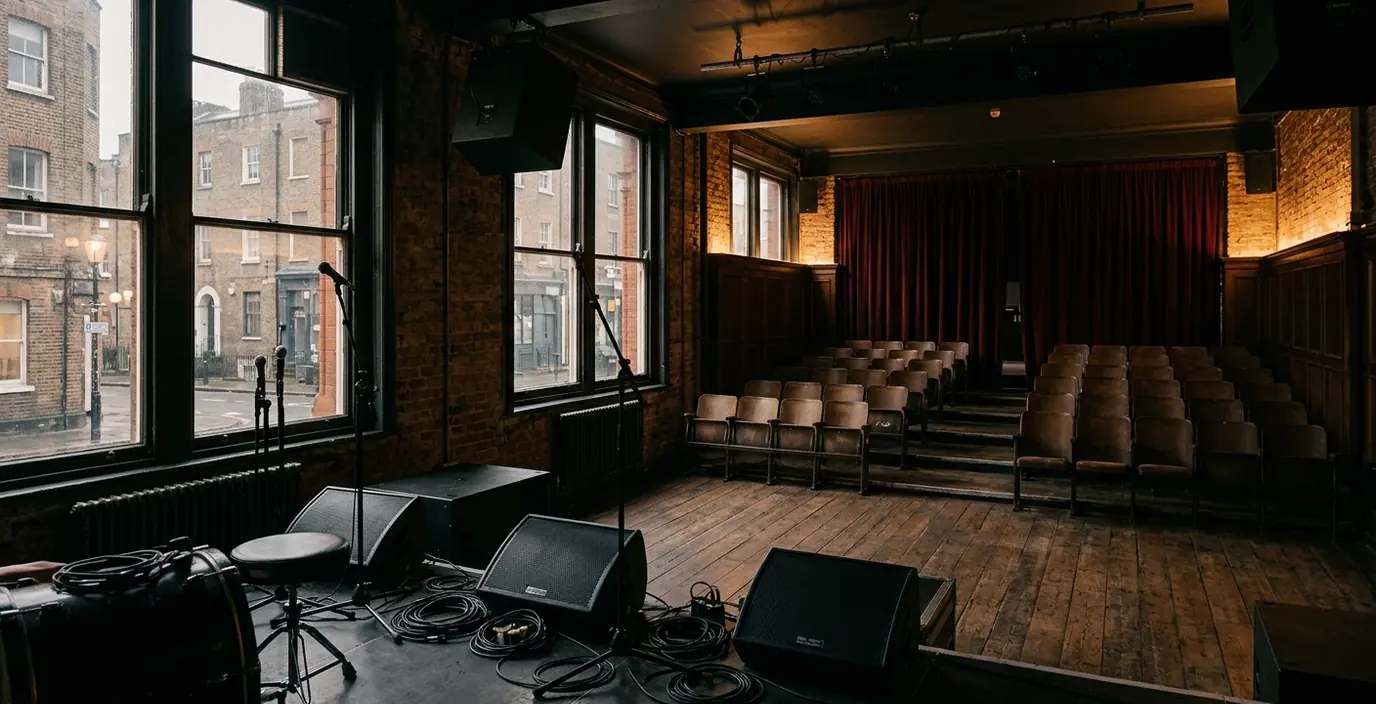
Sound is where a venue reveals whether it respects the performance. Balanced volume, clear vocals and minimal harshness near the speakers are not luxuries. They are the base conditions that allow guests to stay present rather than negotiate with the room.
Acoustic dead zones caused by low basement ceilings
London has many characterful basement rooms, and some are excellent. The difficult ones trap low frequencies under shallow ceilings, flatten vocals near the back wall and create small pockets where the kick drum dominates everything else. A reviewer should not stand in the sweet spot and declare victory. The useful test is to walk the sides, the rear bar and the corners where late arrivals are most likely to stand.
The best rooms make engineering feel invisible. The audience should notice the artist, not fight the acoustics. If a singer-songwriter set turns into a battle between voice and glassware, the room is telling on itself.
Reviewing from the back of the room often reveals more than listening from the front row.
Sightlines as comfort, not luxury
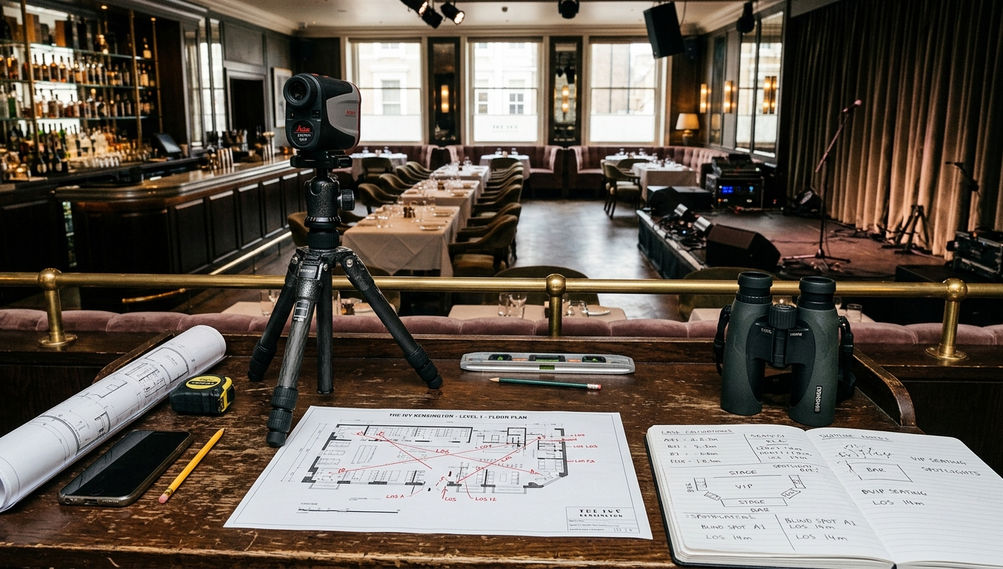
To assess sightlines properly, the review should map the room from the perspective of a late-arriving guest standing at the back bar or behind structural pillars. Raised stages help, but they do not solve everything. Table placement, booth height, lighting rigs and standing-area clutter can all turn a paid performance into a partial view.
A strong venue gives the sides and rear some dignity. It avoids pillars that split the room into winners and losers. It keeps the route to the bar from cutting straight through the performance area, because every shoulder tap and tray pass becomes part of the show whether the artist wanted it or not.
Pro Tip: When judging a room, listen to one full song from the back, one from the side and one near the bar. If the vocal remains intelligible in all three positions, the venue is doing serious work quietly.
Programming With a Point of View
Booking quality is not the same as booking scale. A venue with a clear musical identity can outperform a bigger room that treats live music as decoration.
That identity might be jazz, soul, acoustic, electronic crossover, cabaret, DJ-led live sets or emerging London acts. The important point is coherence. A night should feel intentionally matched to the room, the audience and the time slot, rather than dropped into the calendar because the stage happened to be free.
Curated programming versus filler
Filler programming tends to announce itself quickly. The act feels too loud for dinner, too soft for a late bar, too anonymous for a ticketed room or too detached from the crowd in front of it. Curated programming has a different shape. It understands whether guests are arriving after dinner, before a club night, for a date or as part of a longer South Kensington evening.
A useful calendar review spans roughly a two- to three-month window. One weekend can flatter a venue. A longer look shows whether the musical line has discipline: repeated styles, meaningful partnerships, sensible start times and artists who suit the physical room. This is especially important in a district where cultural tourism, resident dining and polished late-night plans overlap.
Who the programming is for
The best London venues know their audience without becoming narrow. A jazz room can still surprise. A cocktail lounge can book emerging vocalists without turning into a showcase night. A late venue can let a live band hand over to DJs without making the transition feel like two unrelated businesses sharing a sound system.
Hospitality Around the Performance
Live music venues are often reviewed as stages with drinks attached. For a real night out, the order should be reversed for a moment: the venue is a hospitality environment that happens to carry a performance.
Service disruptions during quiet acoustic sets
During intimate performances, service quality is visible in small decisions. Skilled bar staff pause the shaking of ice during a quiet passage. They time glass clearing between songs. They know when a guest can be approached for another round and when a table should simply be left alone.
Cocktail service during a live set works best at around the five-minute mark, give or take. Faster service can become frantic and noisy if it is not managed well. Slower service pulls attention away from the stage and turns the room into a sequence of glances toward the bar.
Upscale hospitality should support the music, not compete with it. That means a calm door welcome, a cloakroom that does not create a second queue, glassware that suits the room, lighting that flatters faces without blinding the stage and seating comfortable enough for a full set. None of this needs to feel formal. It simply needs to feel considered.
Format changes the judgement
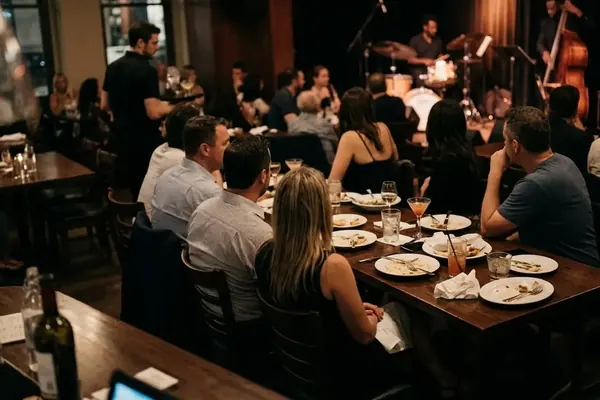
A seated supper-club style room should be judged on table spacing, sightlines over shoulders, menu timing and whether plates land before the set turns delicate. A standing gig room needs bar capacity, floor resilience and a stage high enough for the back third. A cocktail lounge with live sets must control chatter and ice noise. A late-night venue with DJs after the band needs the handover to feel intentional, not like the live act was cleared away to make room for a different crowd.
Access, Safety and Crowd Flow
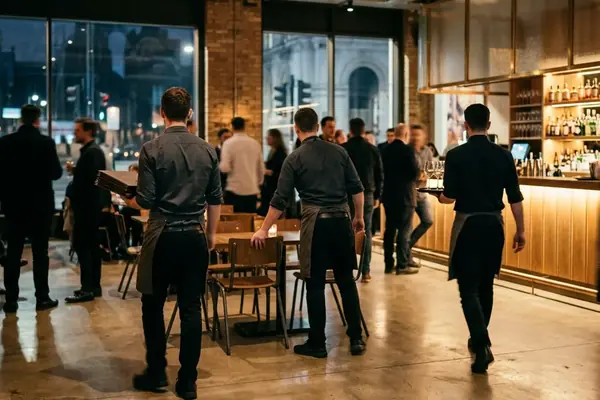
Operational quality is part of the review, not an afterthought. Queue handling, entry checks, toilets, exits, stairs, ventilation, staff visibility and crowd movement shape the entire evening. Guests may forgive a narrow staircase if the venue communicates clearly and staffs it properly. They are less forgiving when the same staircase becomes a surprise bottleneck at peak arrival.
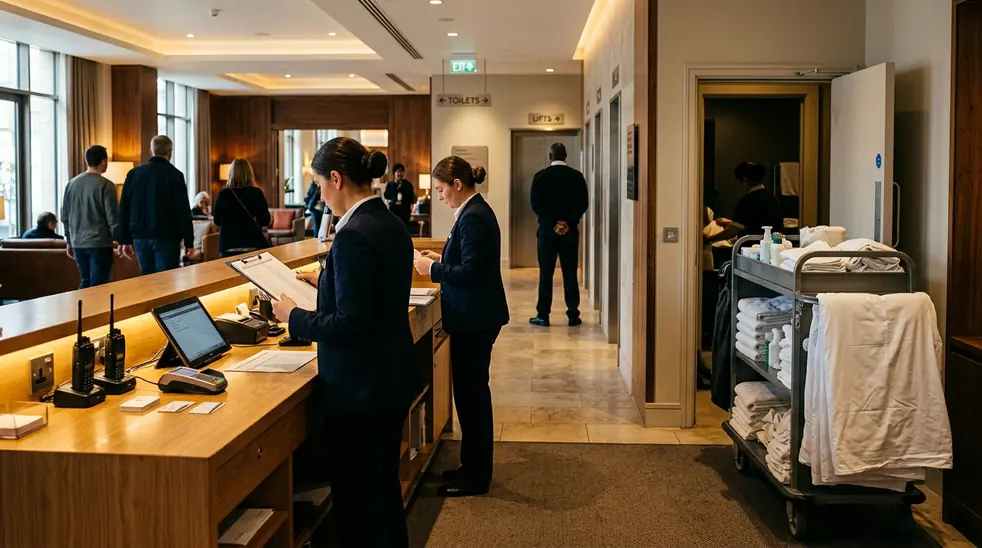
The practical review follows the guest route: pavement, door, ticket or guestlist check, cloakroom, bar, main floor, toilets, smoking or outside area where relevant, then exit. The most revealing period is the peak arrival window, when architectural compromises become behavioural problems. If the cloakroom queue blocks the bar route, or the bar queue cuts across the stage view, the room has an operational fault.
Access before arrival
Good access begins before a guest leaves home. Venue pages should state nearby transport, step-free information where available, late-night routes, taxi pickup points and restrictions that may affect entry. London’s night-time economy is not only about staying open; it is about helping people move safely and predictably through the city. The Mayor of London 24-hour London programme is useful context for why late-night planning matters beyond the venue door.
Warning: Common venue failures include rooms that feel oversold, bottlenecks at the bar, unclear re-entry rules, excessive noise in conversation zones and poor wayfinding to toilets or exits.
Safety should be visible without becoming theatrical. Staff need to be easy to identify. Exits need to be legible. Ventilation matters in crowded basement and lounge rooms, especially when a venue is asking guests to stay through dinner, a live set and a late DJ programme.
The South Kensington Test
South Kensington changes the standard. A venue here sits among museum visits, hotel stays, dinner reservations, cocktail plans and a version of late-night culture that tends to favour polish over disorder.
The local test is simple: can a guest move from a nearby fine dining reservation into the venue without a jarring drop in hospitality standards? The answer depends on arrival, tone and continuity. A strong venue in this part of London should feel special without becoming stiff. It should handle a mixed crowd of residents, visitors, students, date-night couples and after-work groups without flattening the atmosphere into blandness.
The day-to-night lens
A destination venue benefits from its surroundings only if it understands them. Pre-show dining options, post-show cocktails, late transport, hotel proximity and the character of the crowd all shape the review. The room does not need to mimic a members’ club. It does need to recognise that guests may have planned the evening carefully and expect each stage to hold its level.
For nightlife planners, this is where the strongest venues separate themselves. They are not merely places where music happens. They are reliable components in a longer London route: culture in the afternoon, dinner early evening, live performance after that, then a final drink or late set for those who want the night to continue.
The South Kensington Venue Review Checklist
Does the venue offer a polished arrival experience with efficient cloakroom and clear wayfinding?
Are sightlines clear from the secondary standing areas and back bars?
Does the bar staff adapt service volume and pace during quieter musical passages?
Can cocktails and drinks be served quickly enough without pulling focus from the performance?
Does the programme match the room, neighbourhood and likely time slot?
Are toilets, stairs, exits and crowd routes easy to understand under pressure?
Is late-night onward travel realistic, including taxis, public transport and safe pickup points?
Would a guest return for the artist, the room, the service and the overall evening?
That final question is the most useful one. A great London live music venue should satisfy more than one reason to return. The artist may bring guests through the door, but the room, service and after-dark rhythm decide whether the evening earns a place in their London routine.






Add Your Thoughts