

What a Negroni Reveals on a Menu
A Negroni brings together gin, bitter aperitivo and sweet vermouth. Those ingredients tell you more than the drink’s name alone: expect bitterness, some sweetness and a spirit-forward profile. The familiar recipe makes a useful reference point when a South Kensington cocktail menu presents a signature with a name you have never seen before.
The right order depends on the evening. You might want a quick drink at the bar, a cocktail that sits comfortably beside dinner, or the first round before a longer night out. A rich, bitter serve can suit one plan; something bright and easy to sip can suit another. Reading the ingredients helps you make that choice before the glass arrives.
Use a simple method: find the base spirit, work through the other ingredients, then check the texture and serving style. If a description leaves a gap, ask what the missing detail means for the taste. A good question gets you closer to the drink you want than a guess based on a house signature’s name.
Read Past the Cocktail’s Name
Start with the base spirit. Gin, rum, whisky and vodka give you an initial direction, though the rest of the recipe determines where the drink ends up. Then scan the modifiers: aperitivo, vermouth, liqueur, bitters or an infusion can shift a drink towards bitter, herbal, fruity or sweet. Next, look for citrus or another source of acidity, followed by syrups and other sweetening ingredients. Finish with texture and format: is it stirred, shaken, topped with something sparkling, or served long over ice?
Ingredient lists often put the dominant flavours near the front, but the order is only a clue. Bar recipes and menu wording vary. If a listing says gin, plum shrub and saline, expect the gin to matter, the shrub to bring fruit and vinegar, and the saline to act as seasoning. You still need to ask whether the finished drink tastes tart, sweet or somewhere between.
Clarification is another useful term to recognise. It can leave a cocktail looking clear and feeling smooth even when its ingredients suggest a cloudy drink. It describes preparation and texture; it does not tell you how strong the drink is. The same caution applies to a dramatic signature name. Read what goes into the glass, then ask staff what an unfamiliar component contributes.
The Signature Shortcut
If a menu name gives you no flavour clues, ask for the drink’s most noticeable ingredient and whether the finish is sweet, dry or bitter.
Match the Style to Your Palate
Menus often separate short, stirred drinks from long, refreshing ones because those descriptions set expectations quickly. A short, spirit-forward cocktail usually puts the base spirit and its modifiers in focus. It may taste concentrated, bitter, herbal or gently sweet. Someone who enjoys a Negroni could look for a stirred signature with an aperitivo or vermouth, then check how closely its bitterness matches the classic.
A sour points you in a different direction. Citrus gives it lift; sweetness balances the acidity. If you want a bright first drink, ask whether the sour leans sharp or soft. A tall serve with citrus, ice and a mixer may feel more refreshing over a longer conversation. Sparkling ingredients can make it feel lighter on the palate, while creamy or dessert-like serves tend towards a richer, rounder texture. A garnish may add aroma, but the listed ingredients tell you more about the drink’s balance.
Concentration and total alcohol are separate questions. A short drink can taste stronger because its flavours sit in less liquid. A taller glass can contain more mixer without necessarily containing less alcohol overall. Glass size alone cannot establish how much alcohol is in either serve. If that matters to your choice, ask about the spirits and other alcoholic ingredients rather than judging by the silhouette of the glass.
For dinner cocktails, consider the next bite as well as your first sip. A sharp, citrus-led drink may feel appealing before a rich meal; a bitter stirred serve may suit someone who wants to linger over one glass. In a sushi & dining setting, the useful question is simply whether you want the cocktail to cut through the food or settle alongside it.
Decode Seasonal and House Signatures
A seasonal signature can start with a familiar cocktail structure and change character through fruit, herbs or an infused spirit. Strawberry might suggest sweetness, for example, yet citrus or a bitter modifier could make the finished drink taste quite brisk. A sprig of herb can signal aroma without telling you how prominent that note will be in the glass.
Ask targeted questions when the description leaves room for interpretation:
- Is it tart or sweet?
- Is the herbal note prominent?
- Is it served long or short?
Those answers let you compare the signature with a style you already know. They also keep the conversation focused when the bar is busy. If you are choosing between a seasonal drink and a familiar sour, asking which one tastes drier will usually help more than asking which is more popular.
Seasonal ingredients can change as supplies change. A fruit, herb or garnish named on an earlier menu may differ from what the bar is using tonight, so confirm the current recipe before ordering. Pay particular attention if the garnish is doing much of the descriptive work: a dehydrated citrus wheel, for instance, may be there for its appearance rather than a strong citrus aroma.
Check What Low-Alcohol Means
Low-alcohol, made without alcoholic spirits, and alcohol-free are different menu descriptions. None gives you a complete ingredient list on its own. A drink made without gin or vodka could still include vermouth, alcoholic bitters or another modifier. If you need to avoid alcohol, ask for the complete current recipe and tell staff what you need to exclude.
Preparation language can distract from that check. Clarification describes a change in appearance and mouthfeel. Fat-washing describes a way of adding flavour and texture to a spirit or other ingredient. Neither term establishes the finished drink’s alcohol level. Read the ingredients first, then ask directly about anything the menu leaves unclear.
Allergies and dietary restrictions call for a separate question about both ingredients and preparation. A short menu description cannot show every component or how a drink is made. Be specific about the ingredient you need to avoid so the venue can check the recipe being served that night.
Check the Modifiers
For an alcohol-free request, ask about bitters, vermouth and other additions as well as the base spirit.
Understand the Price Before You Order
Compare the listed cocktail prices with the drinks you would actually enjoy. A tall glass can include more mixer; a short serve can involve a costly base spirit or substantial preparation. Neither glass size nor the length of an ingredient list tells you whether one order offers better value for your evening.
The practical checks happen before you commit. If you want a different gin in a signature, ask whether the spirit swap changes the price. Do the same for a premium pour. If you are planning several rounds, confirm any applicable service charge or minimum spend before you settle in. Policies can differ between venues, so use the printed menu and a direct question to staff on the night.
This matters most when a small preference could quietly change the order. You may happily pay more for a particular spirit, or you may prefer the house recipe at its listed price. Either way, knowing the cost lets you choose the drink for its flavour rather than finding out about the change when the bill arrives.
Turn Menu Clues Into an Order
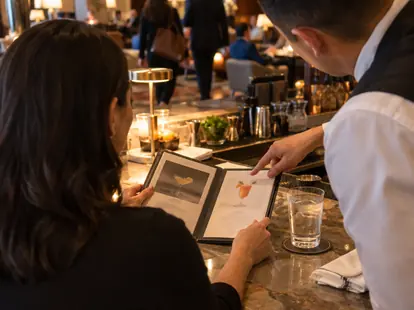
Picture a seasonal signature built around citrus and herbs. You want something dry, citrus-led and refreshing, but the description includes a fruit ingredient and says nothing about sweetness. Ask how tart it tastes, whether it comes long over ice or as a short serve, and which ingredients are in the current recipe. If the answers match your brief, order it. If they do not, ask which listed drink comes closer.
Keep the request compact. Give staff one flavour you want, one you would rather avoid and any budget or alcohol requirement that matters. For example:
“I’d like something dry and citrus-led, without a strong sweet finish. Which drink on the menu is the closest match?”
That gives the bartender room to recommend from what the bar is serving tonight. If you need to stay within a budget or avoid alcohol, add that before they make a suggestion. You can then check the serving style and price without assuming an off-menu substitution is possible.
Which matters most for your next South Kensington cocktail: a familiar flavour, a new signature or a precisely matched drink?





Add Your Thoughts