
K Bar as the First Stop Before Dinner
Hotel lounges have an established place in an evening out: somewhere to meet, order a drink and let the party come together before moving on to dinner. K Bar at The Kensington fits that practical question neatly. For anyone planning a South Kensington restaurant booking or event, the decision is whether a drink here will give the evening a comfortable opening without making the next reservation feel rushed.
I would start with the dinner booking and work backwards.
That changes how you assess the bar. The room might appeal, but the useful questions concern seating, the current drinks list and the journey to your next entrance. A lounge stop earns its place when those details fit together.
This guide treats K Bar as a public-source planning case study, rather than a hosted visit or a timed service test. It draws on the documented property location, official room imagery and a verification process for menus and booking conditions. It makes no claims about the bar's opening date or architectural history.
Build the K Bar Stop Around Your Reservation
Consider an illustrative scenario: you have a fixed dinner reservation in South Kensington, and your companion will meet you beforehand. K Bar is a possible rendezvous. Neither of you wants to spend the first drink checking the route and calculating when to leave.
The first filter is your next destination. A restaurant described as being in South Kensington may still involve a different walk from the one you have pictured. Arrival flexibility matters too: if one person could be delayed, the available drinking time belongs to the later arrival.
Then consider preferences. Someone hoping for a quick aperitif has a different brief from someone who wants to study a cocktail list over a longer seated drink.
Four Checks Before You Commit
- Current drinks information: check the official list for active serves, prices, alcohol-free choices and disclosed charges.
- Official room photographs: look at seating height, table groupings and the relationship between the lounge and counter.
- Property location: map the hotel against the actual restaurant or event entrance.
- Booking conditions: check published service hours and reservation terms, then clarify anything that affects your arrival.
A proposed window of 45 to 60 minutes before dinner can be a useful planning exercise, provided it includes the onward journey. Treat that as an allowance to test, not a promise about how quickly K Bar will seat or serve you. A lengthy walk or staggered arrivals may leave little time for the drink itself.
Read the Drinks List for the Meal Ahead
Choose the kind of opening drink you want before getting attached to a cocktail name. For a pre-dinner stop, the useful distinctions are strength, flavour direction and how much attention you want to give the drink.
A current K Bar menu has not been verified for publication here, so this guide does not reproduce cocktail names, recipes or prices. Those details need checking against the hotel's current official drinks information. An older PDF or an attractive photograph of a menu cannot establish what is available tonight.
When you open the current list, make a small shortlist rather than studying every serve:
- Lower-alcohol or alcohol-free choices: look for an explicitly described option if you want a lighter opening or prefer to avoid alcohol. Confirm the strength where the description leaves it unclear.
- Citrus-led drinks: where the listed ingredients support it, compare the citrus component with syrups, liqueurs and the base spirit. Citrus alone does not establish how sweet the finished drink will taste.
- Spirit-forward stirred serves: check the named spirit and modifiers before choosing something intended to put the base spirit at the centre.
These are menu-reading categories, not a claim that every category currently appears at K Bar. If savoury bar snacks are listed, consider whether they suit the gap before dinner and check their availability before relying on them.
Keep the spend calculation equally specific. Use the listed drink prices and the exact service-charge wording disclosed by the venue. A neighbourhood average tells you very little about your own bill, especially once another round or food enters the order.
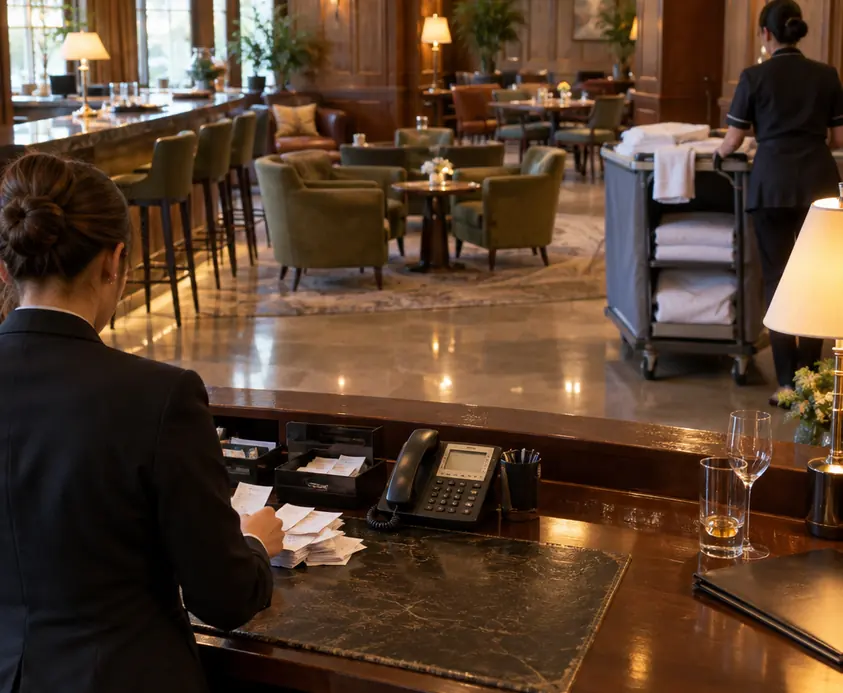
What K Bar's Seating Reveals Before Arrival
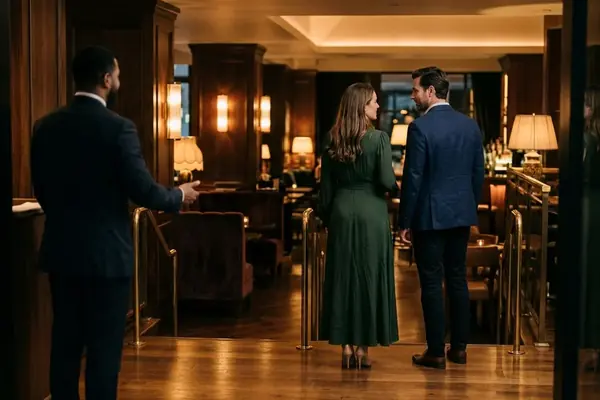
The official photography referenced in the public-source assessment shows timber panelling, upholstered low armchairs, bar-counter stools and separate table groupings. Those are useful physical details. They help you picture where two people might sit and how a counter meeting would differ from a settled lounge drink.
Start with the seating geometry. Low armchairs around a table suggest a different posture from stools at the bar: somewhere to settle opposite a companion rather than turn towards them from adjacent seats. For a conversation-led meeting, that distinction can matter more than decorative details.
A brief stop has another set of priorities. You may care more about straightforward seating and a clear departure than securing a particular corner. For a longer drink, table comfort and the arrangement of the group deserve more attention.
Ask About Seating
Contact the host desk with your arrival window, party size and preference for a low lounge table or counter seating. Ask what can actually be confirmed for that visit.
Photographs have a clear limit here. They cannot establish live noise levels, walk-in demand or the feel of a busy Friday or Saturday transition. A room that looks conversation-friendly in an official image may be operating under quite different conditions when you arrive.
Use the pictures to choose the right question—then use the seating enquiry to resolve it.
Leave Queen's Gate With Dinner Still in Reach
The Kensington's published property address is 109–113 Queen's Gate, South Kensington, London SW7 5LP. Use The Kensington's official hotel and dining information as the starting point for checking the property location and finding current venue information.
From there, map the route to your restaurant's actual door. For an event, check the entrance named on the ticket or booking confirmation. A map pin for a whole building can leave an awkward final stretch, particularly when the entrance sits on another side.
Departure begins inside the hotel.
You still need to request and settle the bill, retrieve any belongings held by staff and find the correct way out onto Queen's Gate. Build an 8-to-12-minute allowance for that internal sequence before adding the walking route. This is a planning buffer, not an observed K Bar checkout time.
Keep the route accessible on your phone before the drinks arrive. If dinner or live music and events is the main booking, that destination sets the departure point. The same discipline helps when a South Kensington nightlife plan combines cocktails with a later table: each stop needs enough room to finish properly.
Test the Cocktail Stop Against the Dinner Deadline
The loose version of this plan sounds easy: meet at K Bar, have cocktails, walk to dinner. Its uncertainties sit between those verbs. Will the seating suit the meeting? Will both people find a drink quickly? When will you ask for the bill?
A more deliberate version checks seating beforehand, shortlists drinks from the current official menu and sets a departure trigger. Each change answers a specific question. Seating confirmation addresses arrival uncertainty; advance selection reduces menu discussion; early settlement gives the exit sequence some breathing room.
That is a comparison of planning methods. It does not demonstrate that a real guest saved time or received faster service.
Record the Evening in Useful Terms
- Elapsed minutes: measure from entering the property to returning to the street, including waiting, ordering and payment.
- Total spend in pounds: record the full bill, including drinks, food and disclosed charges.
- Reservation margin: note the minutes remaining before dinner when you reach the restaurant entrance.
Those measures make a future decision concrete. The relevant question is whether the stop fitted your budget and left a comfortable margin at the next door.
For a first attempt, a single planned round keeps the sequence simple. If you consider another, check the onward journey and remaining time before ordering. Settle while there is still room in the evening to do it calmly.
Two Diners, One Drink, Then Queen's Gate
Picture this illustrative evening. A diner arrives at K Bar and checks in for seating confirmed beforehand. Their companion joins them, and they choose a single round from the current official drinks list they have already checked. The restaurant entrance is saved on the phone beside them.
Before the final sip, they request and settle the bill. The phone goes into a pocket; coats and belongings are gathered. They step out onto Queen's Gate together, with the route to their South Kensington dinner already open.



Add Your Thoughts