
A Brunch Table Built for Conversation
A quiet brunch in South Kensington is a meal where seating, background sound and service rhythm allow comfortable conversation without routinely raising voices. A dining room can feel lively and still support that exchange. The useful test is whether friends can follow each other’s sentences comfortably while the room carries on around them.
That matters when the occasion is a catch-up with a visiting friend, a family meeting or a slower weekend meal. The priorities differ from a celebration built around cocktails and a full-room soundtrack. Comfortable seating, manageable interruptions and enough time at the table become the foundations of the booking.
The most useful unit of comparison is a particular table during a particular sitting. A restaurant’s description of itself as relaxed offers little detail about either. This guide therefore follows the reservation from its timing and table position through to service format and physical access. Each check answers the same question: will this arrangement make conversation easy?
Check What Happens During Your Brunch Slot
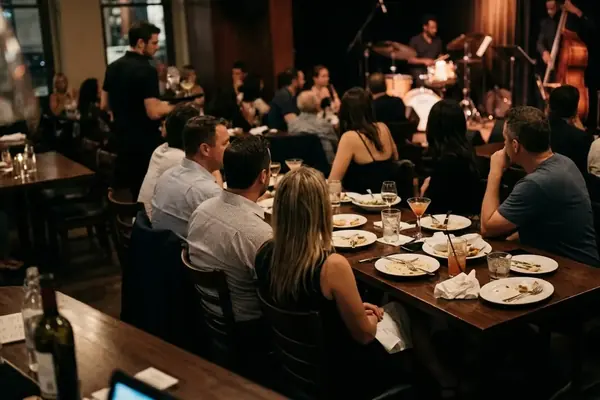
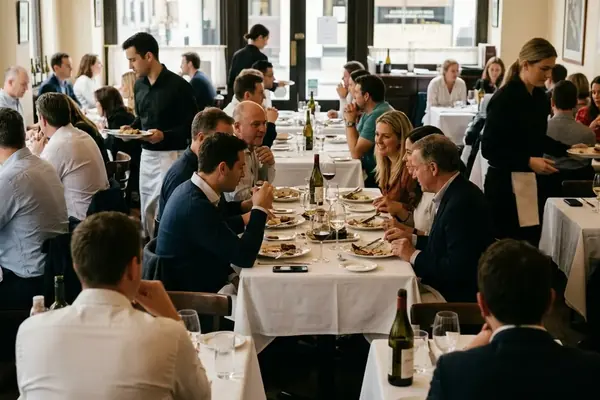
The same restaurant can feel quite different as breakfast gives way to lunch. Arriving groups fill neighbouring tables, staff reset sections, and music may change with the next phase of service. A peaceful photograph captures none of that movement.
Start with a shortlist in the preferred part of South Kensington, then inspect each restaurant’s current brunch details. Look for event listings, sitting conditions and any distinction between ordinary dining and ticketed brunch. Contact the venue about the intended date and arrival time, including what happens before the table must be returned.
The central questions are straightforward:
- Will a DJ or live performance overlap with the reservation?
- Is a celebration or larger group expected in the same seating area?
- Does the room move into a drinks-led service during the sitting?
A bottomless brunch package alone cannot establish the sound level. Its music, group arrangements and service format matter more than the label. Equally, somewhere associated with South Kensington nightlife may offer a suitable daytime sitting. The overlap between the booking and the programme deserves the attention.
Choose the Table, Not Just the Restaurant
Distance from activity points often matters more than a room’s decorative style. Beside a coffee station, grinder bursts and steam can interrupt a sentence. Near a waiter station, glassware, cutlery and repeated staff movements create another pattern of interruption. An entrance brings arrivals and possible drafts; a service route brings passing traffic.
A table farther from those points may suit conversation better, although no position stays quiet under every service condition. Speaker placement also deserves a direct question: a tucked-away corner can sit immediately beneath the sound system.
Soft Seating and Enclosed Corners
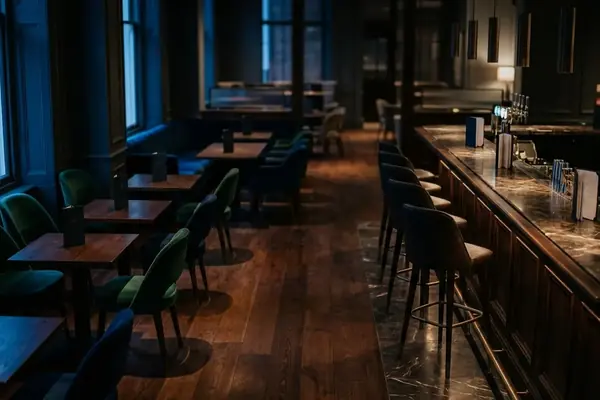
Upholstered banquettes, curtains and other soft surfaces can soften reflected sound. Closely packed tables, bare walls and hard flooring can make nearby conversations more prominent. Photographs help identify these features, but they cannot establish how a full room will sound.
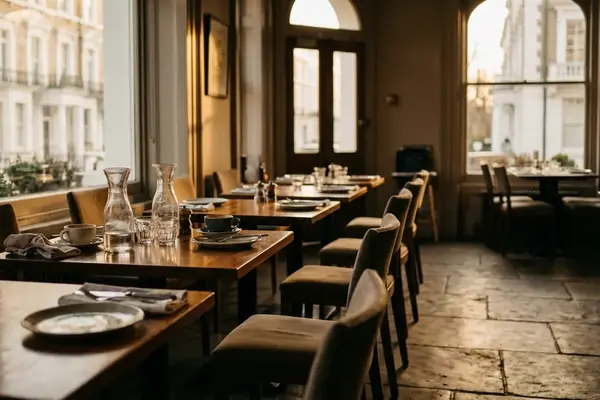
Window seats offer light and a view, with possible street noise or drafts. Booths provide separation, yet enclosed hard surfaces may reflect sound and leave neighbouring voices surprisingly clear. Terraces exchange indoor activity for traffic, weather and conversations outside.
A Request Has Limits
“Quiet table requested” records a preference. A confirmed table allocation requires an explicit answer about the table or area being held. If allocation happens on arrival, the booking remains subject to the seating available then.
Match the Menu and Service to Your Pace
Service format determines how often conversation stops. With à la carte brunch, guests can usually make their choices together and remain seated while orders arrive. Counter ordering requires someone to leave the table, potentially queue and return for another order. A fixed-menu sitting can simplify decisions, while its timetable may impose a firmer endpoint.
Each format can work. The better choice follows the pair’s priorities: fewer departures, fewer ordering decisions or more freedom over the meal’s pace.
Before booking, establish the table-return time, the kitchen’s closing time and whether the sitting crosses a menu change. An arrival close to a kitchen transition may limit what can be ordered or when it arrives. A higher menu price provides no reliable answer about dining duration or background sound.
Coffee Without Another Queue
Check whether further coffees can be ordered at the table, what any drinks package includes and whether a minimum spend applies to the chosen area. These details belong in the conversation plan because they affect movement and decisions during the meal. The aim is simply to understand how the sitting will unfold.
Check the Route From Door to Table
A secluded table loses its appeal if reaching it creates difficulty. In converted townhouse or mews premises, the entrance, dining room and toilets may occupy different levels. A ground-floor table therefore says little about the complete visit.
Replace “Are you accessible?” with questions tied to the guest’s requirements:
- Is the entrance step-free, including its threshold?
- Can the allocated table be reached without stairs?
- Is there suitable clearance beneath the table and between occupied chairs?
- What seating options are available?
- Is an accessible toilet available on the same level, and what route reaches it?
A quiet corner may require stairs or leave too little room to move comfortably. Acoustic comfort and physical access need checking together, particularly when the proposed alternative sits away from the main dining floor.
Check Beyond Ground Floor
Interior photographs and general accessibility badges cannot establish whether a particular route meets an individual’s needs. Ask specifically about any descent to basement toilets, even when the dining table itself has step-free access.
Send a Booking Message That Gets Specific Answers
A short message gives the reservations team something concrete to check. Lead with the booking details and the reason for the seating preference, then ask about the few conditions that determine suitability.
Hello, we would like to book brunch on [date] at [arrival time] for [party size]. We are booking brunch mainly to catch up and would prefer a table where conversation is comfortable.
Will music or events overlap with our sitting, and which seating area would best suit that preference? Please confirm the table-return time. We also need [essential access requirement]; can this be accommodated along the route to the table and toilet?
Could you clarify whether the suggested table or area can be confirmed, or whether this would remain a request?
“Relaxed atmosphere” leaves the practical question open. A reply explaining when music starts, where suitable seating is available and how long the table is held gives you something usable. An unanswered essential requirement needs a follow-up before booking.
Keep the reply with the reservation details. On arrival, a quick check of the proposed table allows any seating concern to be raised before the meal gets underway.
A Two-Person Brunch, Planned Around Conversation
Suppose a host arranges brunch with a visiting friend in South Kensington. The friend needs a step-free route, and both want time to catch up. Two sample replies show how much difference specific detail makes.
The first option replies that its atmosphere is relaxed. The second explains the music schedule during the proposed sitting, offers a table away from the coffee station and confirms the dining duration. It also confirms the required route to the table and toilet. The host chooses the second because its answers address the pair’s priorities.
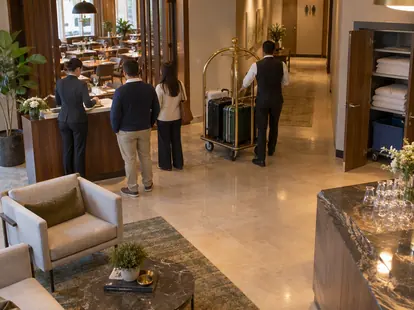
At the entrance, the host checks the reservation and points towards the agreed table. The friends follow the clear route, settle into their seats and order coffee. One opens with news from the journey; the other hears every word.





Add Your Thoughts